13 Jul 2026
Browser Windows as Gathering Spots: How Portal Sites Sustain Tournament Culture in Casual Multiplayer Scenes
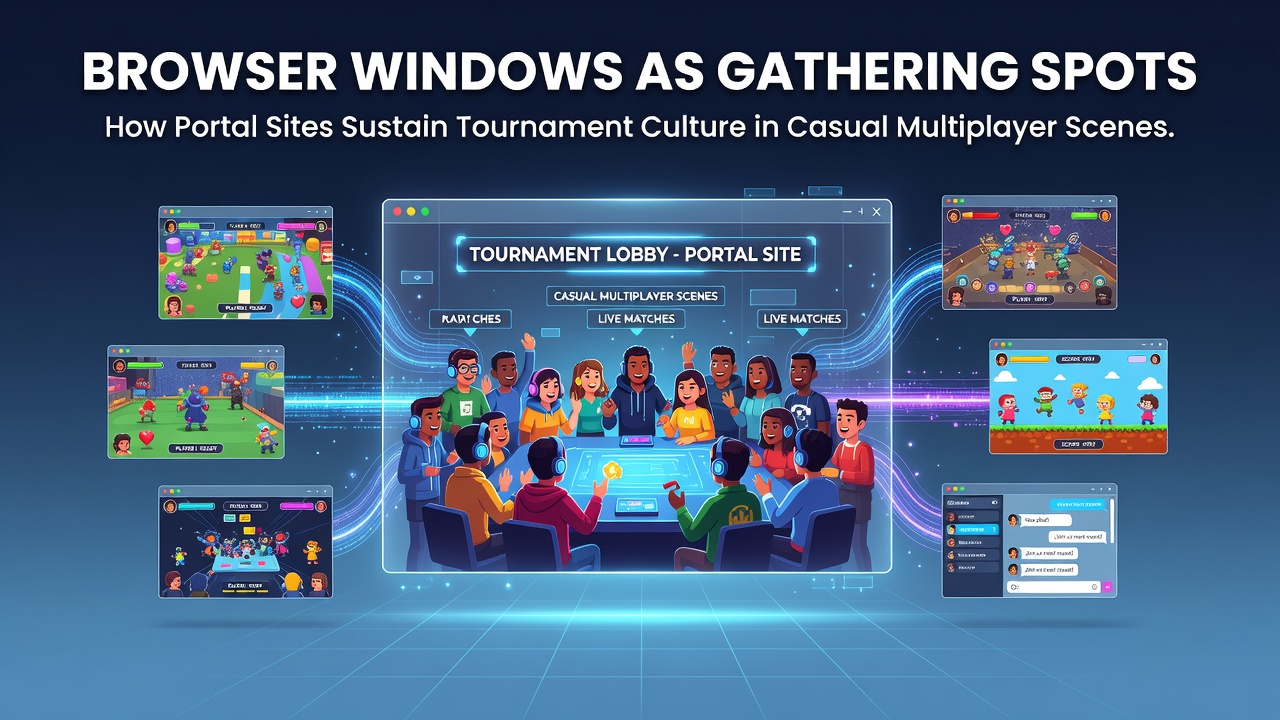
Portal sites built around browser windows function as central hubs where casual players converge for tournaments that blend quick sessions with ongoing community interactions, and these platforms maintain engagement through integrated matchmaking systems that connect participants across regions without requiring dedicated software downloads. Data from industry reports indicate that browser-based environments host a growing share of informal competitive play, particularly in genres like puzzle battles and strategy matches that attract diverse age groups during peak hours.
Portal Architecture and Daily Tournament Flows
Browser windows serve as entry points that load modular interfaces, allowing users to join lobbies, track leaderboards, and switch between casual matches while chat overlays keep conversations active, and this setup reduces friction compared to full client installations. Observers note that sites such as those focused on free-to-play multiplayer experiences see consistent traffic spikes around evening hours in multiple time zones, with tournament brackets auto-generated based on real-time sign-ups. Research indicates participation numbers in these casual scenes often exceed expectations during summer periods, including notable activity recorded in July 2026 when seasonal events drew additional entrants seeking low-commitment competition.
Portal designs incorporate persistent browser tabs that support simultaneous viewing of rules, live standings, and social feeds, which helps sustain momentum between rounds because players remain logged in without losing progress data. Those who've studied user patterns report that seamless transitions from spectator mode to active participation keep engagement levels stable, and figures reveal thousands of daily bracket completions across popular categories like rhythm challenges and light strategy duels.
Community Building Through Shared Browser Spaces
Shared browser environments foster repeat visits because players recognize familiar usernames and form informal alliances that carry over from one event to the next, while integrated voice or text channels within the same window facilitate quick coordination during matches. Studies from academic sources show that these digital gathering spots replicate aspects of physical arcades by providing neutral territory where skill levels vary widely yet competition remains accessible. According to data compiled by the Entertainment Software Association, browser-accessible multiplayer titles accounted for measurable portions of overall online playtime in recent years, supporting the infrastructure that portal operators rely on to run recurring tournaments.
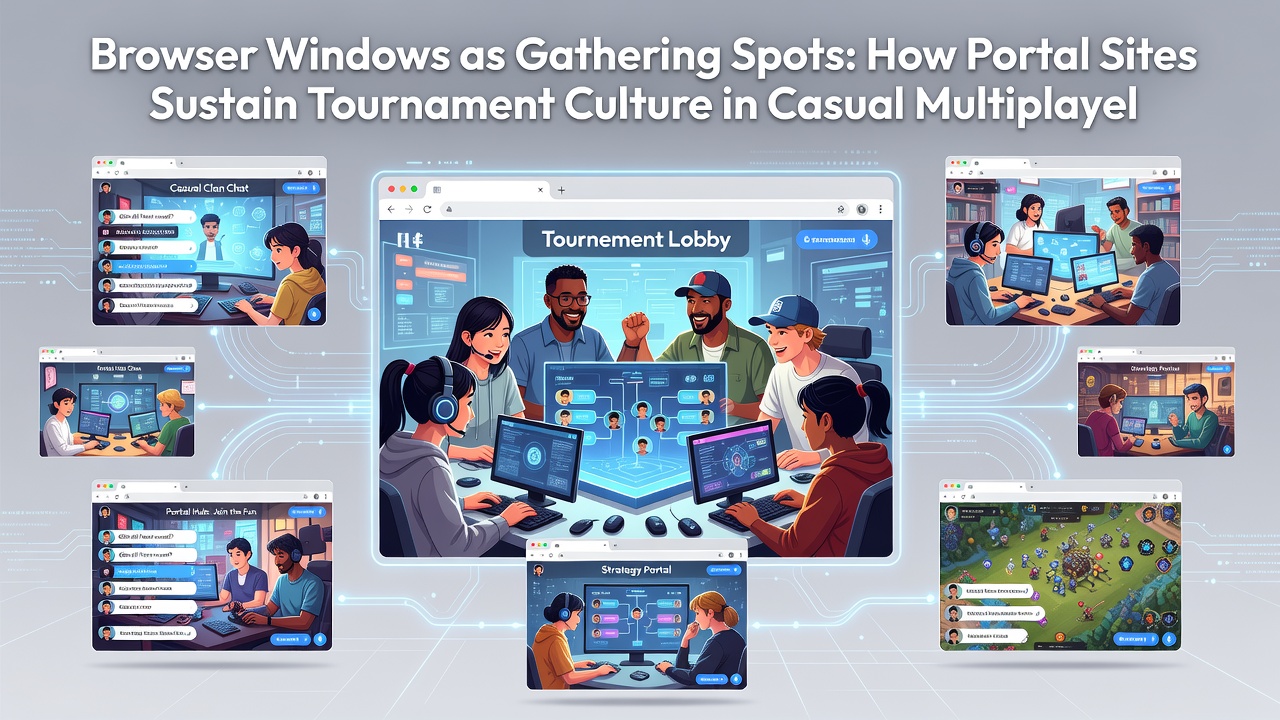
Turnout data collected across platforms demonstrates that browser windows enable quick onboarding for newcomers who discover events through search or social shares, and this accessibility contributes to broader demographic reach compared to hardware-intensive alternatives. Researchers discovered that retention rates improve when sites offer cross-device compatibility, letting users move from desktop sessions to mobile tabs without restarting bracket progress. What's interesting is how these mechanics encourage organic growth of player networks that organize their own side events outside official schedules.
Technical Features Supporting Ongoing Events
Real-time synchronization within browser windows handles scoring, eliminations, and prize notifications without external apps, and this technical backbone allows operators to scale tournaments from dozens to hundreds of entrants during high-traffic periods. Evidence suggests that low-latency connections maintained through standard web protocols keep competitive integrity intact even when participants join from varied internet setups. One case highlighted in industry analyses involved a portal that hosted weekly casual strategy tournaments, where bracket automation reduced administrative overhead and increased the frequency of events.
Security protocols embedded in these sites protect user accounts and match data, which builds trust that encourages continued participation because players know their progress and rankings persist across sessions. Figures from gaming research institutions in Canada indicate steady growth in browser-mediated casual play, underscoring how portal sites adapt features like automated reminders and replay sharing to maintain tournament culture year-round.
Conclusion
Browser windows have evolved into reliable gathering points that underpin tournament structures in casual multiplayer environments through a combination of accessible interfaces, community tools, and scalable event management. Data shows sustained activity across these portals, supported by technical advancements that align with user habits observed through 2026 and beyond. Portal operators continue refining these systems to accommodate expanding participant bases while preserving the informal yet competitive spirit that defines the scene.