22 Jul 2026
Community Bonds Formed Through Multiplayer Play on Legacy Web Gaming Sites
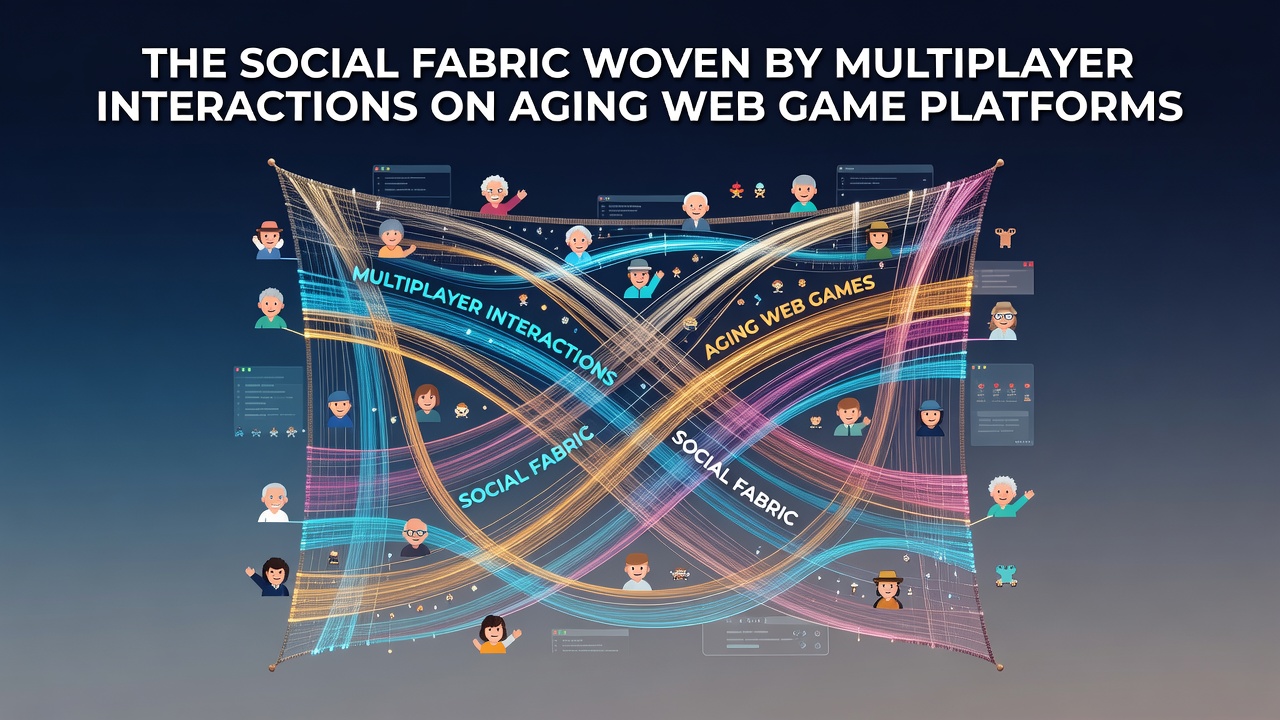
Legacy web game platforms from the early internet era continue to host active player bases where multiplayer features create persistent social structures, and observers note that these interactions often span years rather than single sessions while data from industry reports shows steady participation numbers into 2026. Platforms originally built with basic HTML and JavaScript elements now support guilds, cooperative quests, and real-time text exchanges that link users across different time zones and age groups, whereas many newer titles focus on short bursts of solo play. Research indicates that these older environments encourage repeated logins because players develop ongoing relationships tied to shared in-game goals and histories that newer systems rarely replicate at the same depth.
Historical Context of These Platforms
Many aging sites trace their roots to the late 1990s and early 2000s when browser games relied on simple server-client models, and those who maintained them updated codebases incrementally to keep multiplayer servers operational without full redesigns. Studies from academic institutions reveal that such continuity allows veteran users to mentor newcomers through established chat channels and forum threads, while figures from the Entertainment Software Association highlight how these communities contribute to broader gaming demographics that include adults returning after long absences. In July 2026, several platforms reported stable concurrent user counts during peak evening hours, demonstrating that social inertia sustains activity even as graphics standards advance elsewhere.
Mechanics Driving Interaction
Multiplayer elements on these sites typically include turn-based combat, resource trading, and joint event participation, and these systems create natural points for conversation that extend beyond the game itself. Players coordinate strategies through integrated messaging tools, yet the limited visual complexity means attention stays on dialogue and planning rather than constant action sequences. According to research from European university groups, such mechanics foster trust-building because repeated collaborations require consistent reliability, and this pattern leads to off-platform connections via email lists or voice calls that persist long after individual matches end.
Demographic Patterns Observed
Data shows a mix of long-term residents and occasional visitors on these platforms, while reports from the Interactive Software Federation of Europe note that older multiplayer environments attract participants seeking low-pressure social outlets compared with competitive modern alternatives. In many cases, users form subgroups based on play schedules or shared interests like puzzle solving and story discussion, and these subgroups maintain their own internal rules and meeting times. Evidence suggests that such organization mirrors real-world community structures, and participation metrics collected through July 2026 indicate higher retention rates among players who engage in group activities versus those who play alone.
Challenges and Adaptations
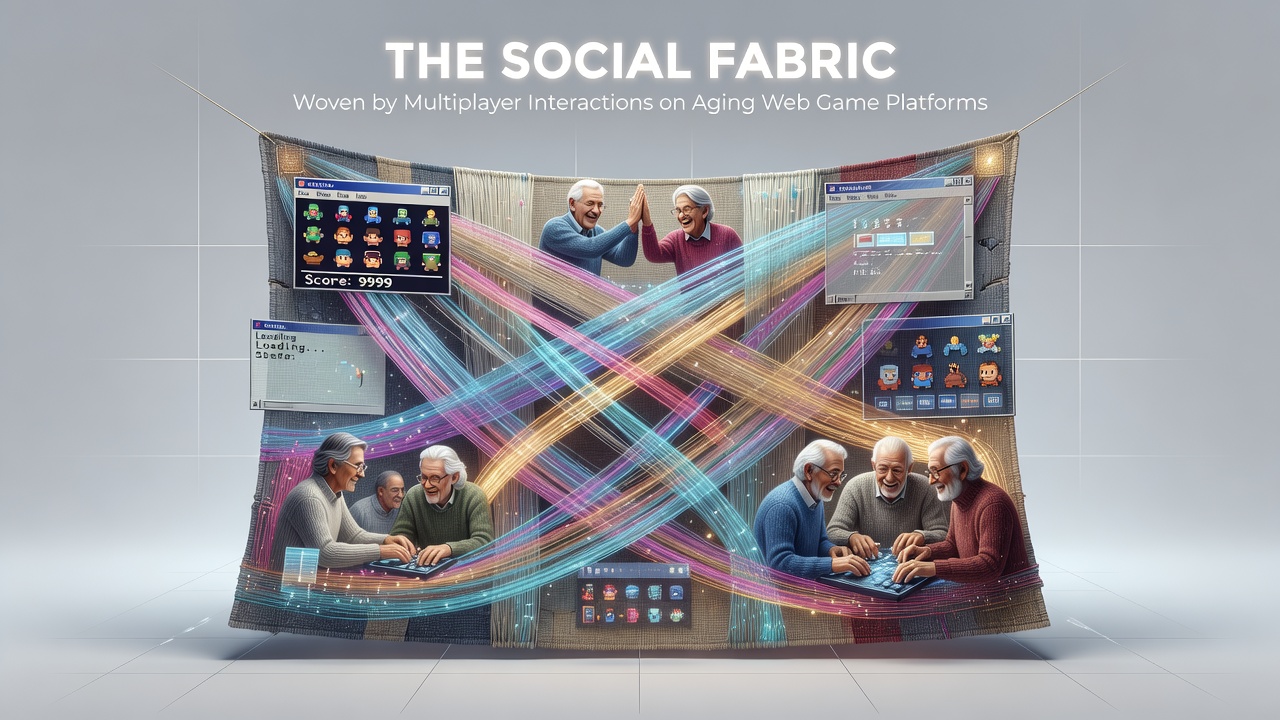
Outdated infrastructure sometimes leads to lag or limited features, but communities adapt by creating external tools and guides that support continued play, and researchers have documented how these workarounds strengthen group identity. Platform operators occasionally introduce minor updates that preserve core social loops while addressing security concerns, whereas abrupt changes risk alienating established users who value stability. Observers note that in July 2026 several sites introduced optional mobile interfaces that maintained compatibility with existing multiplayer servers, allowing broader access without disrupting long-running social circles.
Broader Implications for Digital Interaction
These environments demonstrate how persistent multiplayer systems can serve as anchors for social continuity in an era of rapidly changing technology, and studies reveal parallels with other online spaces that prioritize longevity over novelty. Participants often report developing communication skills and conflict resolution habits through in-game negotiations, while external analyses link such experiences to sustained interest in digital collaboration tools outside gaming. The social fabric here emerges from accumulated small interactions rather than singular dramatic events, and this gradual process accounts for the resilience seen in participation data through mid-2026.
Conclusion
Multiplayer dynamics on aging web game platforms illustrate durable pathways for human connection that rely on shared history and repeated cooperation, and available evidence points to their ongoing relevance even as newer formats emerge. Continued operation of these sites depends on both technical maintenance and the social value users derive from them, whereas the patterns observed in 2026 suggest that similar legacy systems may retain influence wherever communities prioritize familiarity alongside functionality.