17 Jul 2026
Community Networks Forming Around Skill Challenges in Web Portals and Browser Multiplayer Setups
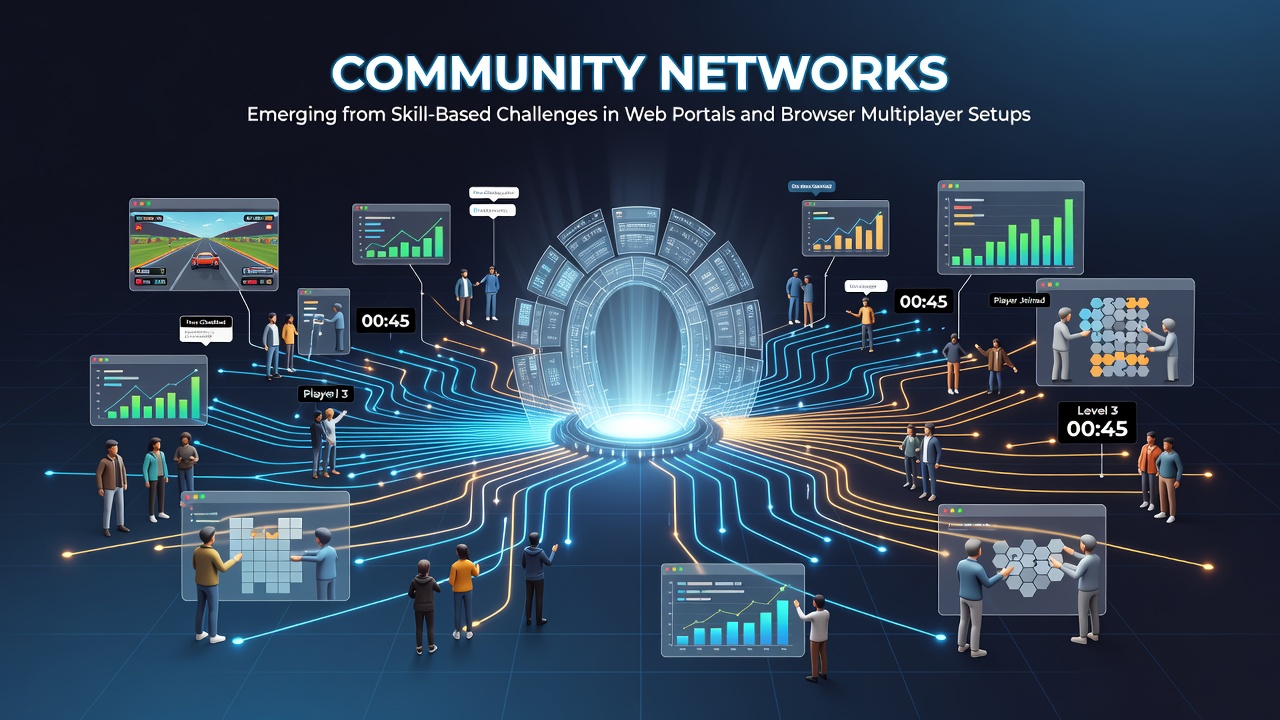
Skill-based challenges in web portals and browser multiplayer setups continue to generate organized community networks that extend beyond individual gameplay sessions, with participants forming groups around shared mechanics like precision timing, strategic resource management, and competitive leaderboards. These networks develop through repeated interactions in environments where users access games directly via browsers without downloads, allowing quick entry into sessions that reward consistent performance and coordination with others. Observers note that such setups lower barriers to entry, which in turn accelerates the formation of discussion forums, shared strategy repositories, and scheduled events that keep participants returning.
Mechanics Driving Network Growth
Web portals host skill challenges that emphasize measurable outcomes such as completion speed or accuracy scores, and these metrics create natural hierarchies where top performers attract followers who seek to replicate their results. Browser multiplayer configurations add layers of real-time cooperation or competition, prompting users to exchange tactics through integrated chat systems or external platforms. Research from the Entertainment Software Association indicates that browser-accessible multiplayer formats accounted for a measurable share of engagement growth in 2025, with patterns showing sustained participation when challenges incorporate progressive difficulty that rewards group problem-solving.
Participants often establish recurring meetups or asynchronous leaderboards that track collective achievements, turning isolated sessions into ongoing social structures. Those who've examined participation logs find that skill thresholds act as filters, concentrating dedicated users who then formalize their connections through dedicated channels for tips and match scheduling.
Examples of Emerging Structures
One documented case involves a physics-based puzzle portal where users collaborate on level designs that require synchronized actions across multiple browsers, leading to the creation of tutorial archives maintained by experienced contributors. Another setup centers on rhythm and timing challenges in multiplayer lobbies, where groups organize practice rounds ahead of leaderboard resets and share replay files for analysis. These arrangements demonstrate how the technical simplicity of browser access supports rapid scaling of communities without requiring specialized hardware or software installations.
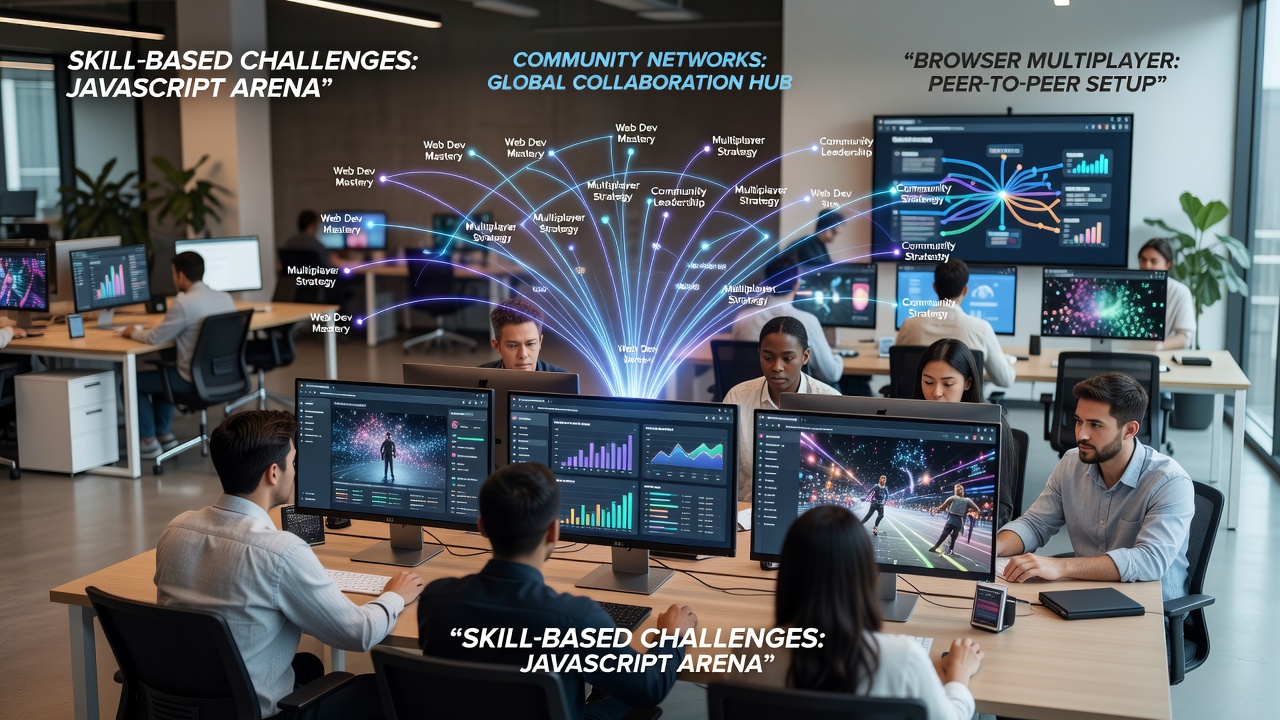
Data compiled through academic tracking at institutions such as the University of Melbourne shows that browser multiplayer groups exhibit higher retention when challenges include seasonal events, with activity spikes noted around mid-year periods including July 2026 projections based on prior patterns. Networks in these environments frequently evolve governance elements, including moderators who enforce fair play rules and organize tournaments that distribute recognition among members.
Technical and Social Factors at Play
Browser constraints such as session persistence and cross-device compatibility influence how communities organize, with many relying on external tools for voice communication while keeping core gameplay within the portal. Skill challenges that incorporate variable parameters encourage experimentation, which participants document and circulate to accelerate collective learning curves. Those monitoring forum activity observe that successful networks balance competitive elements with cooperative resources, creating environments where newcomers receive guidance from veterans without diminishing the challenge's integrity.
Geographic diversity appears in participation data, as browser accessibility draws users across regions who align around universal mechanics rather than localized infrastructure. This broad reach supports the development of multilingual strategy guides and time-zone-aware event planning that sustains activity across continents.
Conclusion
Skill-based challenges within web portals and browser multiplayer setups continue to serve as foundations for durable community networks by combining accessible entry points with performance-driven incentives. These structures rely on measurable progress and repeated interactions that translate into organized support systems, shared knowledge bases, and scheduled activities. Evidence from industry reports and academic observations confirms that such networks persist when technical simplicity meets opportunities for meaningful coordination among participants.