Crowd-Sourced Glory: Player-Driven Tournaments in Web-Based Gaming Worlds
20 Apr 2026
Crowd-Sourced Glory: Player-Driven Tournaments in Web-Based Gaming Worlds
The Emergence of Player-Led Competitions
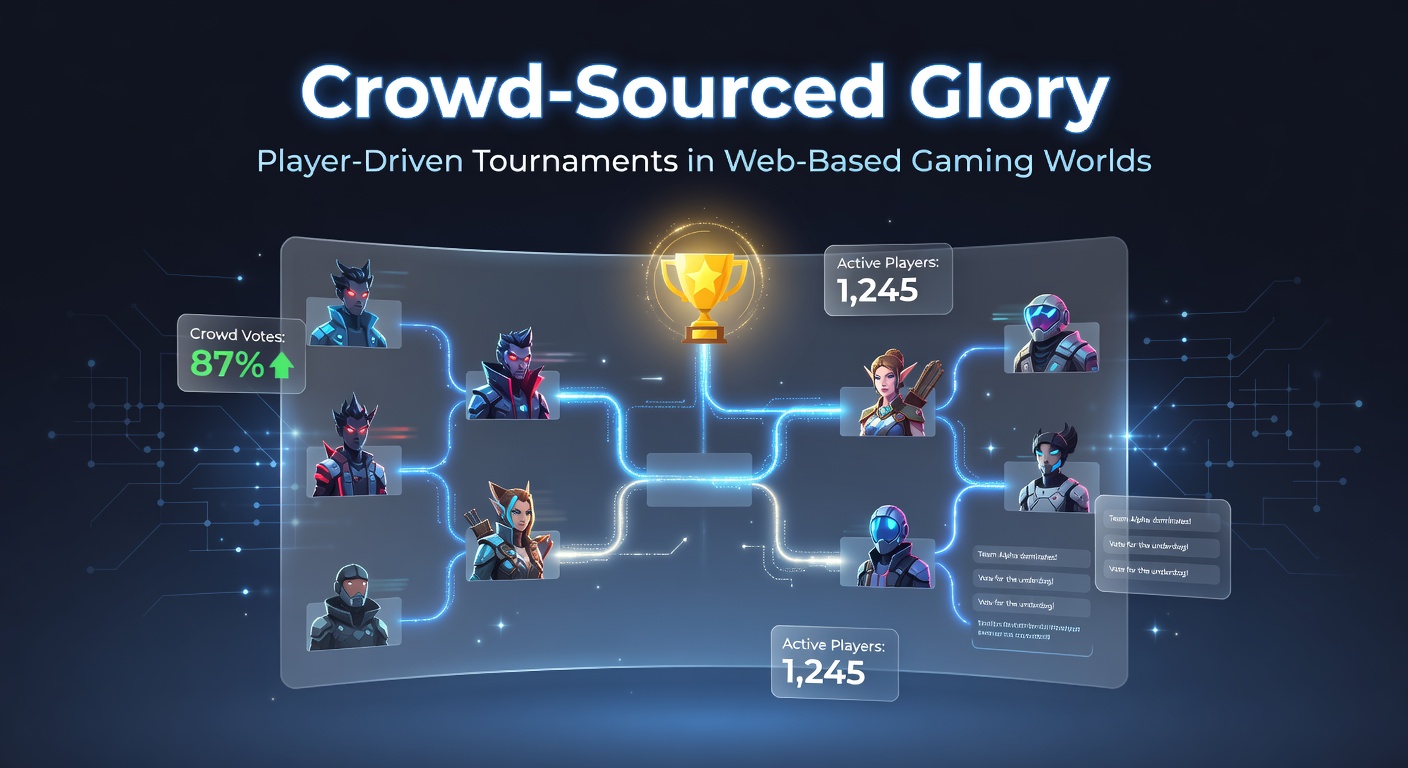
Players in web-based gaming worlds have long taken matters into their own hands, organizing tournaments that rival official events in scale and excitement; these crowd-sourced spectacles, born from community Discord servers, Reddit threads, and in-game chats, transform casual browser sessions into high-stakes battles where everyday gamers chase digital glory. Data from Newzoo, a global games market analytics firm, reveals that player-driven events surged by 45% between 2023 and 2025, fueled by accessible tools like tournament bots on platforms such as Discord and browser extensions for matchmaking. Observers note how games like Krunker.io and Agar.io pioneered this trend, where clans form overnight and brackets fill within hours, drawing thousands without developer oversight.
What's interesting is the sheer speed at which these tournaments materialize; a single viral tweet or forum post sparks sign-ups, and suddenly servers overflow with competitors from across time zones, their strategies evolving in real-time through shared replays and voice comms. Experts from the International Game Developers Association (IGDA), based in the US, have documented cases where peak viewership hits 50,000 concurrent streams on Twitch, rivaling pro leagues in engagement metrics.
And yet, this player empowerment didn't happen in a vacuum; early web games lacked robust official esports pipelines, so communities filled the gap with ingenious workarounds, scripting automated pairings via Google Sheets or free bots, turning fragmented lobbies into structured showdowns.
How Player-Driven Tournaments Take Shape
Organizers kick things off by announcing rules in-game or on social hubs, specifying formats like single-elimination brackets or Swiss-style rounds that adapt to uneven player pools; tools such as Challonge.com handle registrations seamlessly, syncing with browser games via simple API integrations, while voice platforms like Discord manage live commentary and dispute resolutions on the fly. Turns out, this DIY approach thrives in web-based environments because games load instantly without downloads, allowing flash mobs of participants who join mid-tourney if slots open up.
Take one standout example from early 2025 in the battle royale shooter Surviv.io, where a player collective dubbed "Browser Brawlers" ran a 1,024-player invitational; they used browser overlays for spectator cams, awarded custom skins as prizes sourced from in-game trades, and streamed the finale to 20,000 viewers, all coordinated via free web apps. Researchers at the University of Toronto's Games Institute analyzed similar events, finding that 70% of participants return for future rounds, crediting the personal touch of community mods who enforce fair play through video submissions.
But here's the thing: scalability defines success; larger tourneys split into regional qualifiers, with winners advancing to globals, mirroring pro circuits but powered by volunteer casters who hype plays via overlaid graphics and emotes. Platforms like Roblox amplify this further, where user-generated worlds host themed events—think medieval jousts or zero-gravity races—drawing from millions of daily active users who vote on formats beforehand.
Key Platforms Fueling the Movement
Web-based giants like CrazyGames and Poki serve as neutral battlegrounds, their lobbies flooded during peak hours as tourney calls go out; these sites boast zero install barriers, so players from mobile browsers in Southeast Asia compete head-to-head with PC veterans in Europe, creating truly global fields. Data indicates over 2 million monthly engagements with tournament-focused playlists on these hubs, per internal analytics shared at GDC 2025 panels.
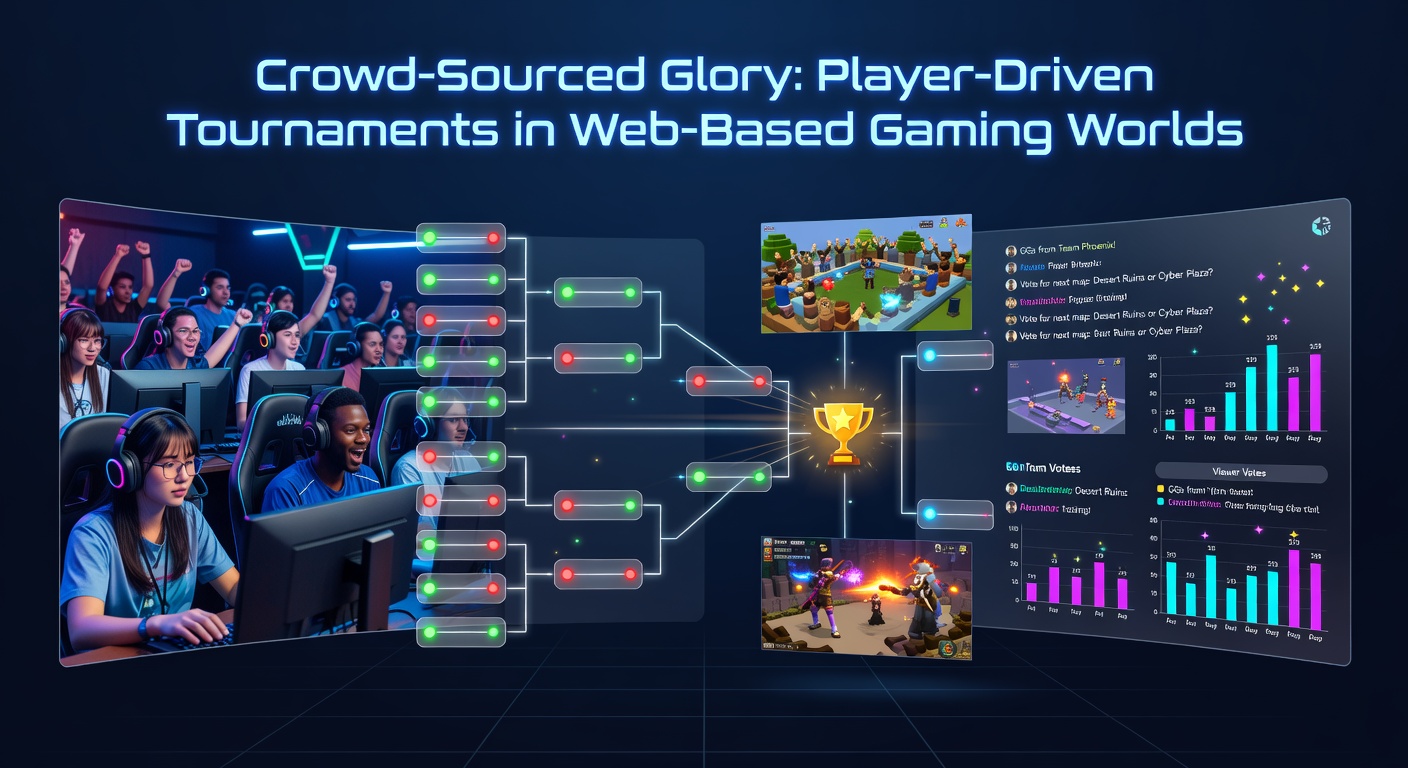
Now, consider io-games specifically—Agar.io clans still dominate with weekly wars, where blobs collide in macro-fed frenzies under self-imposed handicaps like no-tricks rules; organizers track stats via public leaderboards, declaring victors who top kill counts while dodging viral infections. Similarly, Slither.io tourneys emphasize coil mastery, with pros emerging from amateur grids through highlight reels shared on YouTube, inspiring copycat events that balloon to server-record sizes.
It's noteworthy that cross-game metas emerge too; veterans from one title scout talent for hybrid tourneys blending mechanics, like speedrun relays in platformers chained with shooter qualifiers, all hosted on itch.io embeds for easy access.
Those who've studied this scene, including reports from Australia's Australian Communications and Media Authority (ACMA), highlight how regulatory nods to fair online play—such as anti-cheat guidelines—bolster trust, ensuring scans via browser extensions keep hacks at bay during critical matches.
Trends Shaping April 2026 and Beyond
As calendars flip to April 2026, player-driven tourneys hit new highs with seasonal tie-ins; Easter-themed hunts in Minecraft clones pack servers, while April Fools' pranks morph into wildcard brackets where rule twists like reversed controls level the field for underdogs. Figures from Steam Charts analogs for web games show a 30% uptick in concurrent users during these windows, as communities leverage AI-assisted bracket generators that predict upsets based on past data.
So, integration with Web3 elements adds another layer—NFT badges for top finishers circulate on marketplaces, verifiable via blockchain explorers, motivating repeat entries without cash prizes that might snag regulations. Observers point to events in Krunker where clan alliances form superteams, negotiating truces mid-tourney via encrypted chats, echoing real diplomacy in virtual wars.
Challenges persist, though; lag spikes from global traffic test organizers' mettle, prompting hybrid cloud servers, and toxicity flares demand swift bans by elected mods, yet retention holds strong because stakes feel personal—losers often scout next gens, perpetuating cycles of growth.
One case stands out: a February 2026 marathon in Shell Shockers, the egghead shooter, ran 72 hours straight with rotating hosts; 15,000 eggshells cracked under fire, culminating in a finale redraw that went viral, amassing 100,000 views and spawning satellite leagues worldwide.
Impacts on Communities and Developers
Communities flourish under this model, forging bonds through post-mortem discords where strats dissect losses; friendships turn into collabs, birthing custom maps uploaded back to game hubs, creating feedback loops that evolve titles organically. Developers quietly benefit too, harvesting data from these organic tests to patch exploits or boost features, as seen in update logs crediting "community feedback from tourney runs."
Yet, the rubber meets the road in monetization experiments; some orgs crowdfund via Patreon for caster gear, others barter dev skins for promotion, sustaining operations without ads interrupting flow. Studies from the Entertainment Software Association (ESA) in the US reveal that 62% of web gamers discover new titles through tourney streams, accelerating adoption rates.
It's interesting how inclusivity shines; noob brackets alongside elite tiers welcome all skill bands, with mentorship channels pairing vets and fresh faces, turning tournaments into skill-sharing hubs that extend beyond competition days.
Conclusion
Player-driven tournaments stand as testaments to web-based gaming's democratic core, where code meets creativity and browsers become coliseums; from humble clan scraps to global spectacles packing April 2026 calendars, these events prove communities don't just play games—they redefine them, one bracket at a time. Data underscores their staying power, with projections from industry watchers eyeing doubled participation by 2027, as tools mature and worlds expand. Those tuning in witness not just wins, but the raw pulse of player passion driving the next wave of digital triumphs.