12 Jun 2026
Digital Portals and Free Gaming: Building Communities Through Accessible Play
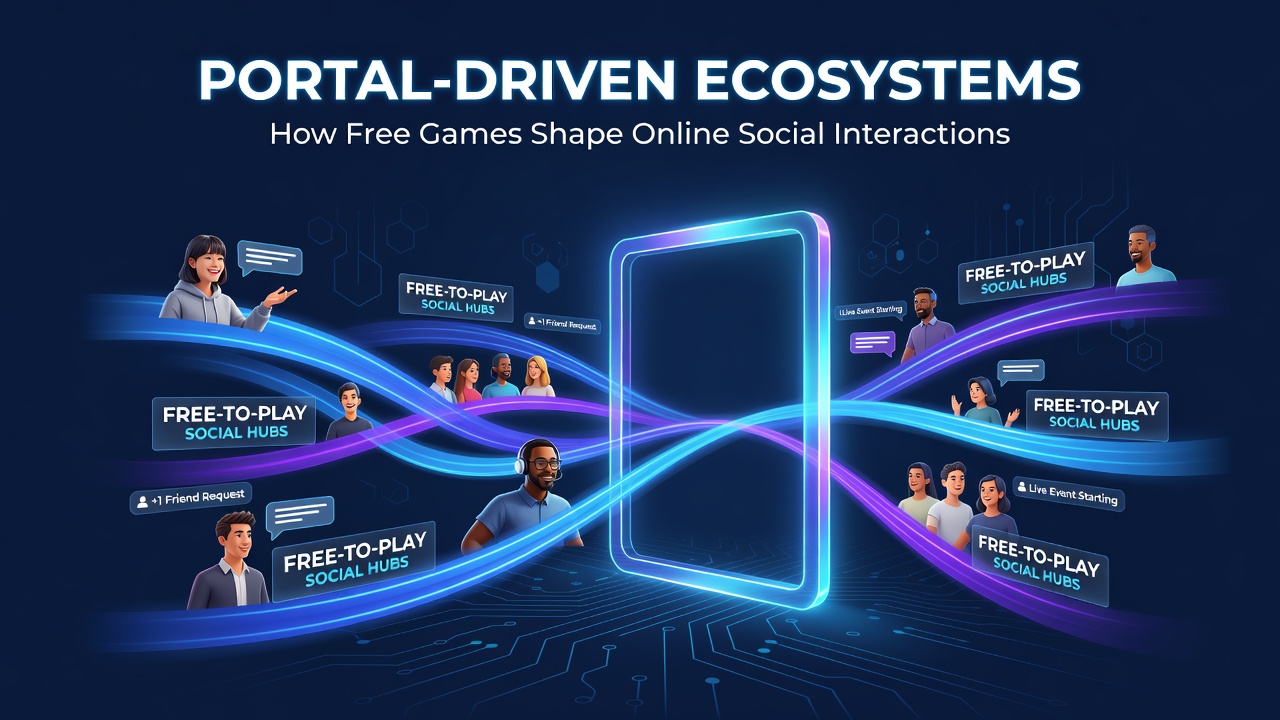
Portal ecosystems in free gaming operate as centralized platforms that aggregate browser-based titles and connect players across vast networks while researchers have documented steady growth in these systems since the mid-2010s and data from the Entertainment Software Association shows millions of daily active users engaging through shared interfaces that blend gameplay with communication tools. These portals function by hosting hundreds of accessible games that require no downloads or payments to start and players often migrate between titles within the same environment while maintaining persistent profiles that track progress and social connections.
Mechanics Behind Portal Integration
Free game portals integrate social layers directly into their architecture through features such as real-time chat rooms, friend lists, and collaborative challenges that activate across different titles and observers note that these elements create continuity for users who might otherwise play in isolation. Studies from academic institutions indicate that portal users spend extended sessions because the ecosystem encourages movement between games while preserving identity and achievements and this structure reduces barriers compared to standalone downloads. In practice portals employ algorithms that suggest games based on social activity and group participation rather than solo performance metrics alone.
Social Dynamics Emerging from Free Access
Players form groups around specific portals because entry remains open without financial commitment and figures reveal higher retention rates when social tools accompany gameplay and this pattern appears in both casual and competitive modes. Communities develop norms around shared experiences such as coordinating events or competing in seasonal tournaments and these interactions extend beyond single sessions into ongoing relationships tracked through in-portal messaging systems. Research indicates that participants report stronger connections when portals facilitate cross-game interactions and users carry reputations from one title into others within the same ecosystem.
Patterns Observed in Mid-2026 Data
As of June 2026 industry reports highlight increased portal usage among diverse age groups and geographic regions with particular emphasis on mobile-integrated access that syncs progress across devices and analysts point to expanded multiplayer lobbies that blend players from multiple countries. Government statistics from Canadian agencies tracking digital engagement show portals contributing to broader online community formation and these environments support both short bursts of play and longer collaborative projects. What's interesting is how free entry points allow rapid onboarding for new participants while established users maintain influence through moderation roles and leaderboards that reward consistent social contributions alongside skill.
Case Examples of Ecosystem Effects
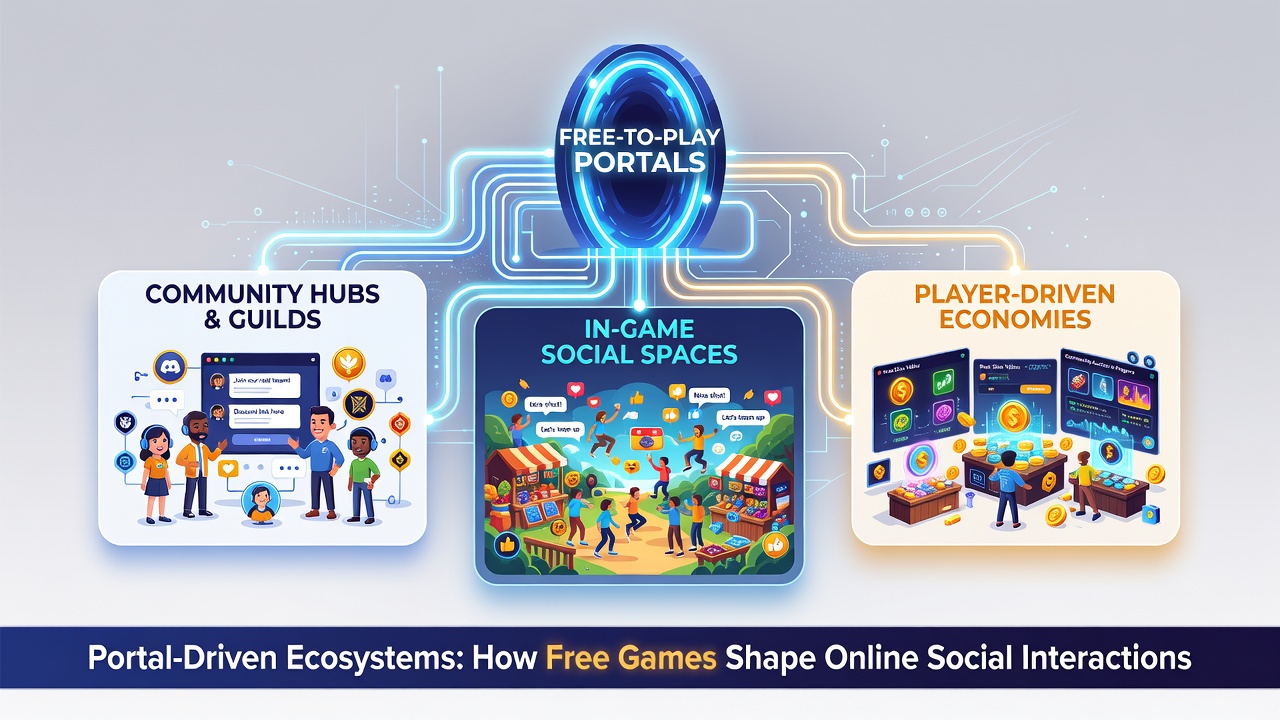
One documented instance involves a major portal that introduced group quest systems spanning several free puzzle and action titles and participants formed teams that persisted for months while coordinating strategies through built-in forums. Another example comes from platforms emphasizing rhythm-based challenges where users created shared playlists and competed in real-time events that drew thousands simultaneously and data shows these events increased repeat visits by linking individual performance to collective outcomes. Observers note that such features transform solitary gaming into networked experiences where feedback loops between players reinforce continued participation.
Technical and Design Influences on Interaction
Portal developers prioritize seamless transitions between games and social spaces because fragmented experiences reduce engagement and this design choice supports fluid movement from single-player modes into multiplayer hubs without reloading entire interfaces. University-led analyses demonstrate that integrated voice and text options correlate with higher rates of cooperative play and these tools allow spontaneous alliances that evolve into sustained communities. The reality is that accessibility through free portals lowers entry thresholds and encourages experimentation that leads to discovery of shared interests among users who might not interact elsewhere.
Broader Implications for Online Behavior
Evidence suggests portal ecosystems influence how individuals navigate digital spaces more generally because habits formed in free gaming environments carry over to other platforms and researchers have tracked patterns of collaboration that originate in game portals yet appear in non-gaming contexts. Industry organizations such as the Interactive Software Federation of Europe have compiled reports on these trends and they emphasize the role of persistent identities in sustaining long-term social ties. But here's the thing: while portals expand reach they also concentrate interactions within specific digital boundaries that shape the nature of those connections.
Conclusion
Portal-driven ecosystems continue to evolve as free games incorporate more sophisticated social layers and available data points to sustained influence on how people connect online through accessible play environments. Continued monitoring by research bodies will clarify long-term effects while current patterns already demonstrate clear links between portal design and community formation across varied player bases.