15 May 2026
Echoes in the Lobby: How Free Web Game Tournaments Build Lasting Gaming Communities
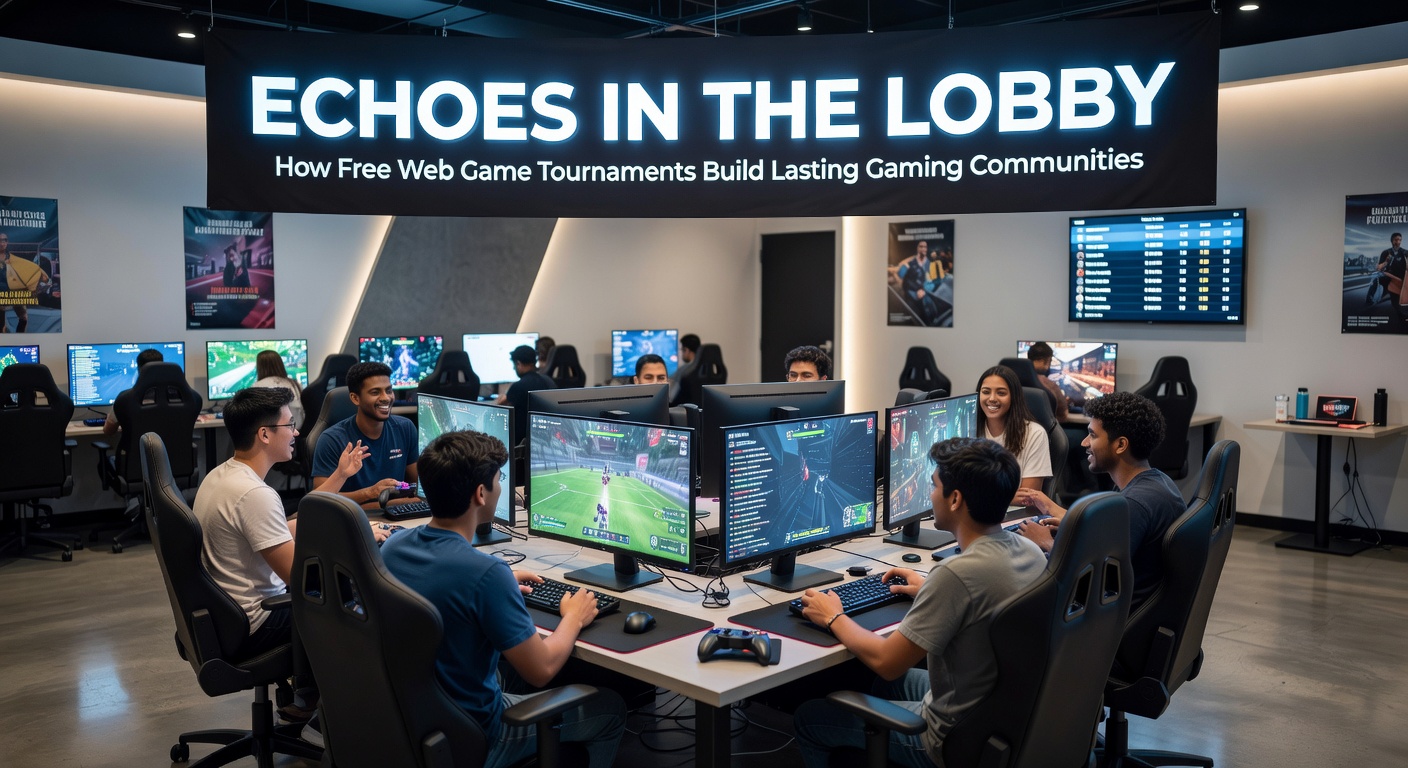
Free web game tournaments have evolved from simple browser-based matches into structured events that connect participants across time zones, and they continue to shape how communities form around shared competition. These gatherings take place on platforms accessible through any modern browser, and they often require no downloads or payments to enter. Data from industry reports shows participation in such events grew steadily through 2025, with many platforms noting repeat attendance from the same groups of players.
Origins and Evolution of Web-Based Tournaments
Early web games relied on browser plugins that supported quick multiplayer sessions, yet the shift to HTML5 standards expanded accessibility and allowed developers to integrate real-time matchmaking without additional software. Observers note that this change coincided with rising interest in casual competition, where players could join a lobby, form teams, and compete in bracket-style formats within minutes. Research from the Entertainment Software Association highlights how browser games accounted for a measurable share of overall gaming hours in recent years, particularly among users seeking low-barrier entry points.
Tournaments in these environments typically feature automated bracket systems alongside chat functions that remain active before and after matches. Participants exchange strategies, celebrate wins, and review replays together, and these interactions occur repeatedly across weekly or monthly schedules. The structure encourages familiarity because the same usernames appear in successive events, creating patterns of recognition that extend beyond single sessions.
Mechanics That Foster Repeated Engagement
Registration for free tournaments often involves creating a profile tied to an email or social account, after which players receive notifications about upcoming brackets and rule updates. Platforms maintain leaderboards that track cumulative performance, and these rankings become reference points for ongoing rivalries. Those who study player behavior report that visible progress metrics motivate continued participation, since individuals can compare their results against friends or regional groups without financial stakes.
Chat lobbies serve as central hubs where pre-match discussions turn into post-match analysis, and many events incorporate voice channels for coordinated play. This combination of text and audio tools supports both quick coordination and longer conversations that spill over into external forums or group chats. Figures from platform analytics indicate average session durations increase when social features remain open after competition concludes.
Community Formation Through Shared Experiences
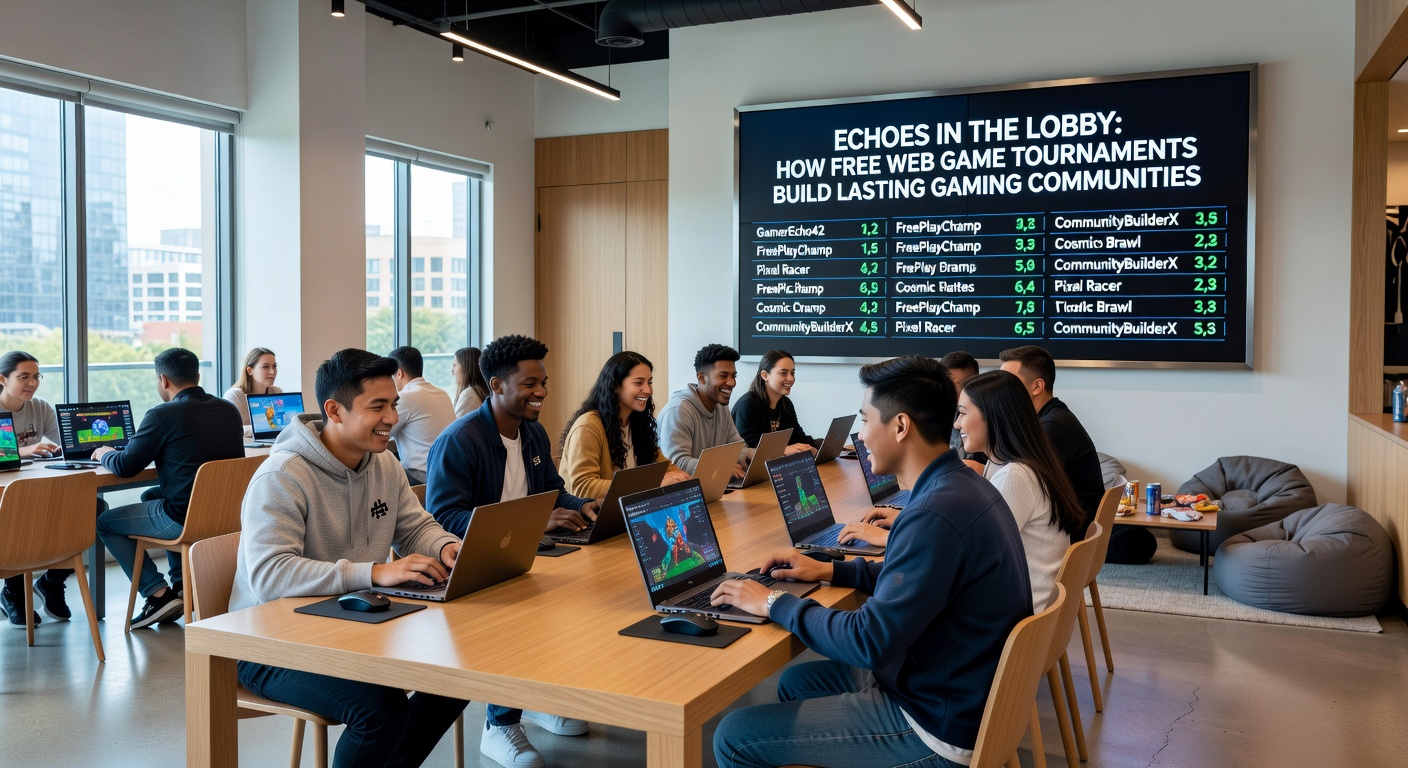
Repeated exposure in the same competitive environment leads to recognizable subgroups that maintain contact across different game modes or even separate titles. Players who advance together through early rounds often form informal alliances, and these alliances sometimes organize their own side events outside official schedules. Academic studies on digital social networks suggest that low-friction environments like browser tournaments lower the threshold for sustained interaction compared to games that require paid entry or complex installations.
Geographic diversity appears frequently in these communities because browser access removes hardware or location-based restrictions, allowing participants from multiple continents to compete simultaneously. Reports compiled by the Interactive Games and Entertainment Association in Australia document how regional time-zone adjustments and multilingual chat support help maintain inclusive participation rates. Observers note that such diversity introduces varied play styles that enrich strategy discussions and keep engagement levels consistent over months.
Long-Term Effects on Player Retention
Retention data collected through 2025 and into May 2026 shows higher return rates among users who enter at least three tournaments within a six-month window. The combination of competitive structure and persistent social channels creates accountability loops where absence from one event prompts follow-up messages from fellow participants. This pattern contrasts with solo play modes that lack built-in reminders or group expectations.
Some communities transition from in-game interactions to external platforms for organizing larger events or sharing resources, yet the original lobby remains the anchor point. Data indicates these transitions occur organically when core members reach mutual agreement on expanding activities, and the process reinforces bonds formed during competitive play. University research on online group dynamics confirms that shared goal achievement, even in virtual settings, correlates with longer-lasting affiliations.
Conclusion
Free web game tournaments continue to demonstrate measurable influence on community longevity because they combine accessible competition with persistent social tools. The resulting networks exhibit patterns of repeat engagement, geographic breadth, and organic subgroup formation that persist across platform changes. As browser technologies advance further, the foundational role of these events in sustaining gaming groups remains evident through participation metrics and interaction logs.