17 Jun 2026
Flash Game Portals as Gathering Points for Tournament Communities and Skill Sharing
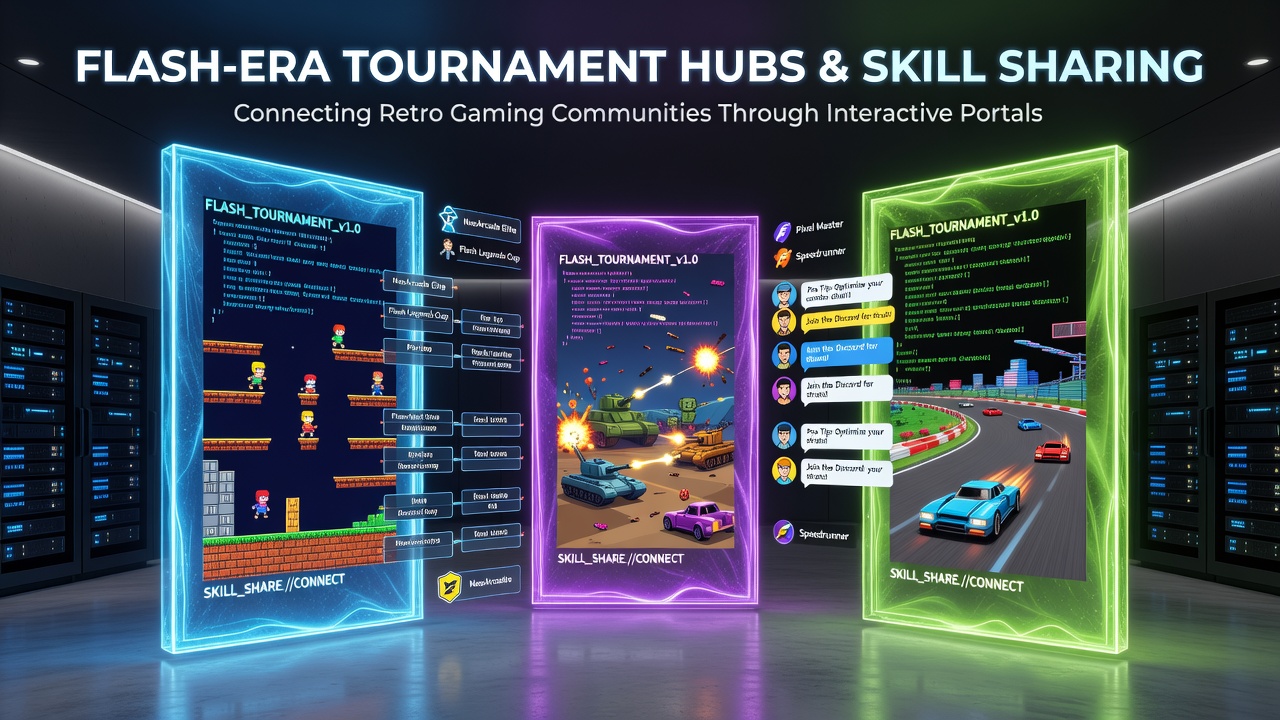
Game portals emerged during the Flash era as central locations where players gathered to participate in organized tournaments and exchange techniques across various browser-based titles. These platforms hosted competitive events that drew participants from multiple regions while providing built-in tools for tracking scores and rankings. Data from industry reports indicates that sites such as Newgrounds and Kongregate facilitated thousands of user-submitted challenges each month at their peak periods between 2005 and 2012.
Structure of Tournament Systems on Major Portals
Portal operators designed dedicated sections for competitive play that included real-time leaderboards along with scheduled events running on weekly or monthly cycles. Players submitted high scores through integrated submission forms while moderators verified entries to maintain fair play standards. According to figures from the Entertainment Software Association, competitive browser gaming accounted for a notable share of overall online engagement during those years. Tournaments often centered on popular genres including platformers, shooters, and puzzle games where precision and speed determined outcomes. Community members formed teams or clans to coordinate strategies and support one another during extended events that sometimes lasted several days.
Skill Sharing Mechanisms Within Portal Ecosystems
Forums attached to these portals served as primary venues for users to post walkthroughs, frame-by-frame analyses, and shortcut discoveries that accelerated skill progression across the player base. Threads frequently featured embedded video clips or annotated screenshots demonstrating advanced movement patterns and timing windows. Research from academic sources such as those published by the University of Melbourne highlights how these exchanges created informal apprenticeship models where experienced players mentored newcomers through detailed comment chains. Leaderboard data itself functioned as an educational resource because top entries revealed optimal paths and resource management approaches when reviewed by others seeking improvement. Portals also supported private messaging systems that allowed direct collaboration between players working on similar challenges.
Community Formation and Geographic Reach
Players from North America, Europe, and Asia connected through shared portal accounts despite differences in time zones and language preferences. Translation tools integrated into some platforms helped bridge communication gaps during international tournaments. Observers note that these interactions produced lasting networks that extended beyond individual games into broader discussions about game design trends and hardware capabilities. By June 2026 many of these original communities had migrated to archive-based recreations that preserve tournament records and forum archives for continued access. Emulation projects supported by organizations including the Internet Archive enable new generations to examine historical competition data and replicate past events using preserved Flash files.
Technical Features Supporting Competitive Play
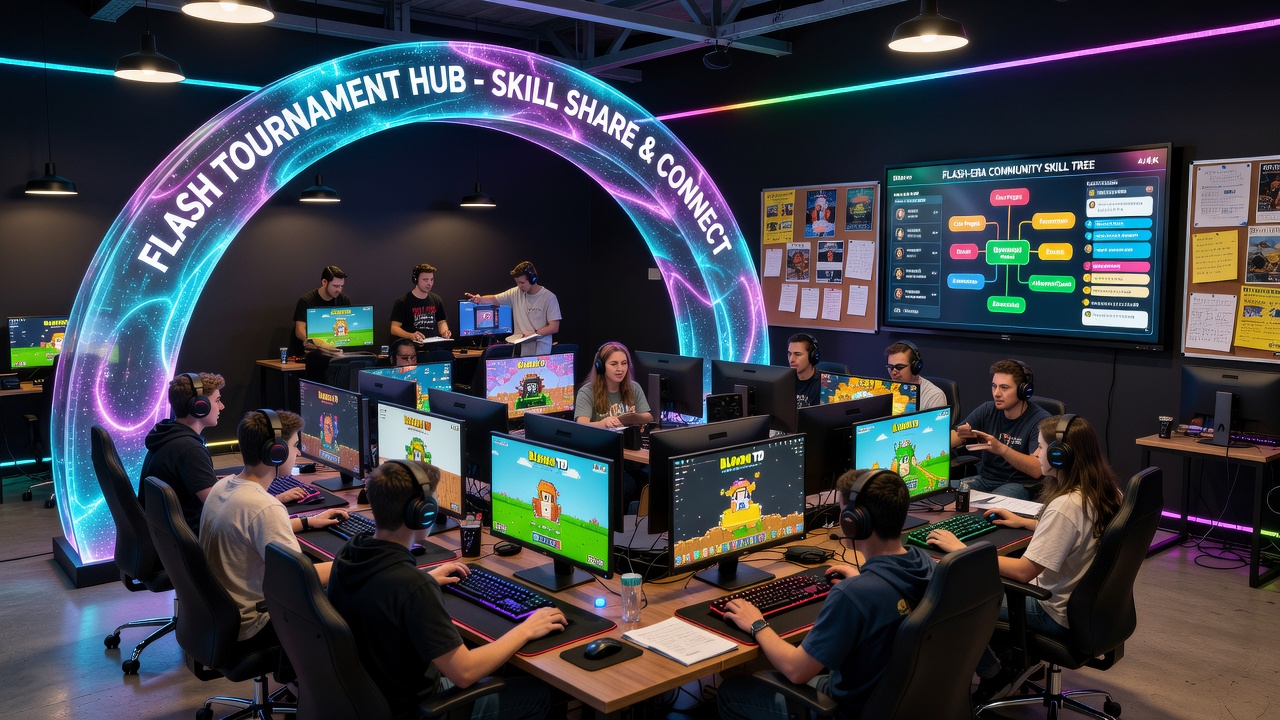
Flash technology provided consistent performance across different operating systems which allowed tournaments to run without requiring specialized client downloads. Developers embedded timer functions and score validation scripts directly into game files to reduce opportunities for external manipulation. Portals supplemented these features with anti-cheat measures including replay verification systems and periodic audits of suspicious submissions. Studies conducted by Canadian research institutions reveal that such technical safeguards contributed to sustained participation rates by building trust in the competitive integrity of events. Players frequently shared hardware optimization tips within forum threads to achieve smoother frame rates during critical tournament matches.
Legacy and Preservation Efforts
After the official discontinuation of Flash support in 2020 several portals transitioned their content libraries to HTML5 equivalents or emulator-based access points. This shift preserved tournament histories and skill resources that researchers continue to analyze for insights into early online community dynamics. Government-funded digital preservation initiatives in Australia and the European Union have documented these transitions through collaborative projects with former portal operators. The resulting archives maintain searchable databases of past competition results along with associated discussion threads that illustrate evolving player strategies over time.
Conclusion
Game portals during the Flash period established foundational models for online tournament organization and skill transmission that later platforms adapted for modern contexts. Records maintained through these systems continue to offer concrete examples of community-driven competition structures and knowledge exchange practices. Continued access to archived materials supports ongoing examination of how browser-based environments shaped player interactions across multiple continents.