8 Jun 2026
Flash Games: The Spark Behind Early Internet Gaming Communities
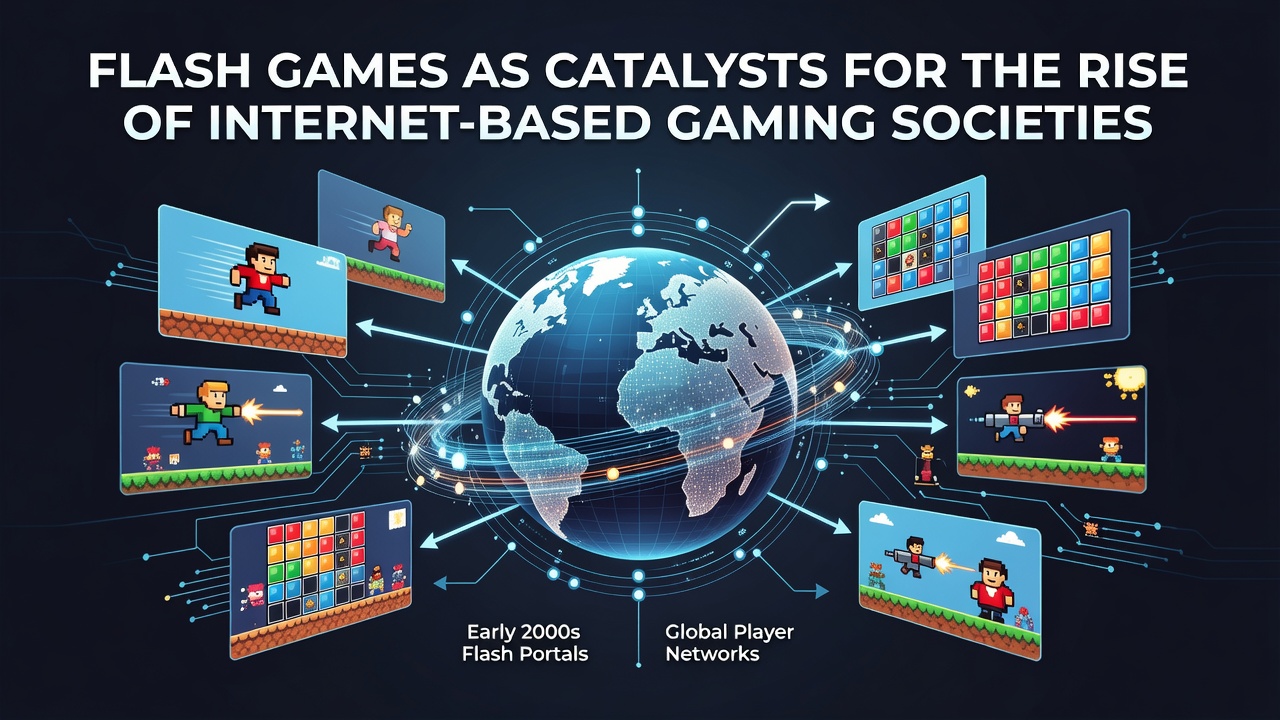
Flash games emerged in the late 1990s and early 2000s as browser-embedded applications built with Adobe Flash technology, and they quickly transformed how people accessed interactive entertainment without downloads or installations. Developers created small, accessible titles that ran directly in web browsers, which lowered barriers for millions of users who previously needed physical media or specialized software. Sites such as Newgrounds and Armor Games became central hubs where creators uploaded games, and players returned daily to try new releases.
Early Platforms and Community Formation
These platforms allowed instant feedback through comment sections and rating systems, which encouraged repeat visits and ongoing discussions among players from different regions. Data from industry reports indicate that Flash game portals recorded billions of plays by 2008, with traffic spikes during school holidays and weekends. Researchers at various universities documented how shared high-score lists and forum threads created persistent social connections that extended beyond single gaming sessions.
Communities formed around specific genres including puzzle, action, and strategy titles, where users exchanged tips and collaborated on walkthroughs. One study from a European digital culture project revealed that regular participants often formed lasting online groups that later migrated to other platforms as technology evolved. These interactions laid groundwork for larger internet-based gaming societies that valued accessibility and collective participation over competitive hardware requirements.
Technological Accessibility Driving Participation
Flash required only a free plugin, which most computers already supported by the mid-2000s, so students, office workers, and casual users joined without additional costs. This broad reach contrasted with console or PC gaming that demanded dedicated equipment. Observers note that Flash games often featured short play sessions suited to fragmented attention spans, which fit into daily routines at work or school.
Multiplayer experiments within Flash environments, though limited by browser constraints, introduced real-time chat and cooperative mechanics that foreshadowed modern social gaming. According to figures from the Entertainment Software Association, browser-based play accounted for a growing share of overall gaming time during that period. Those patterns helped normalize online interaction as a core element of gaming culture rather than an optional add-on.
Cultural and Social Ripple Effects
Flash titles frequently incorporated user-generated content tools, allowing players to modify levels or create custom characters that others could download and share. This cycle of creation and consumption built skills in digital literacy and basic programming concepts for many young participants. Academic papers from North American institutions highlight how such activities contributed to early maker communities that later influenced game development education programs.
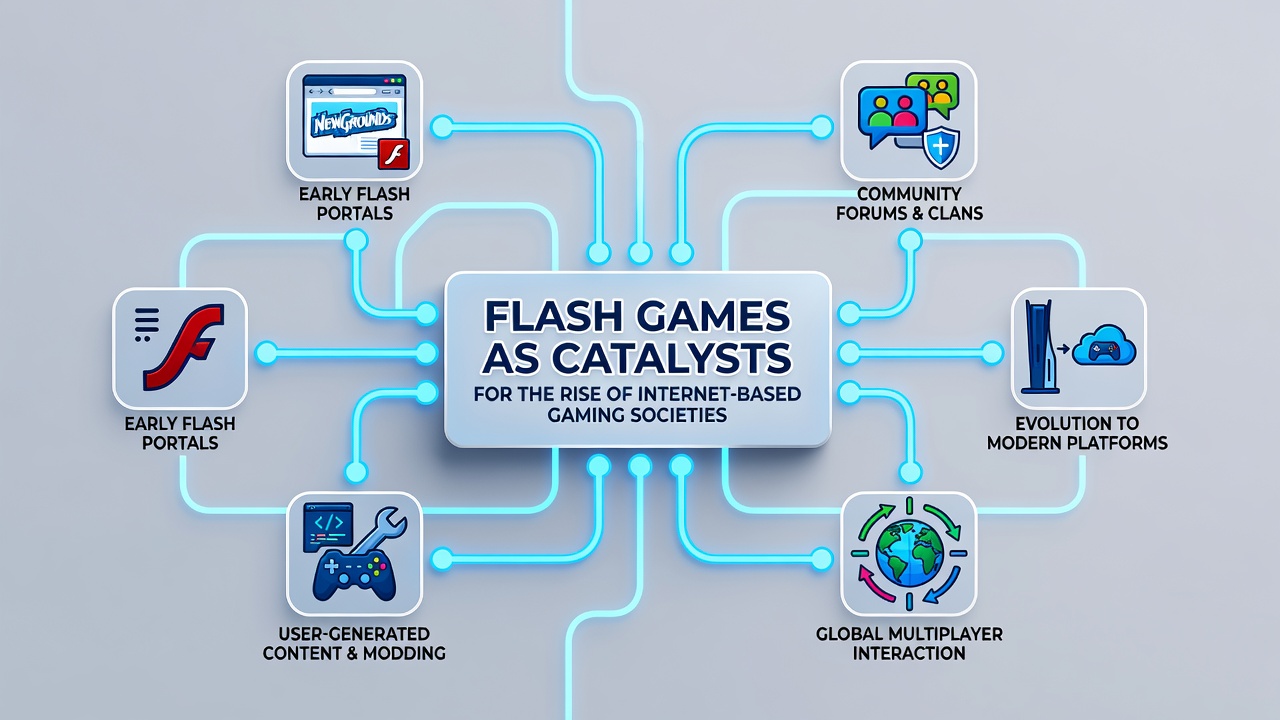
Global participation grew as translation patches and international leaderboards appeared on popular sites. Data collected by Australian media authorities showed increased cross-border engagement in browser gaming during the late 2000s, with players coordinating events through external messaging tools. These networks demonstrated how Flash lowered geographic barriers and supported the formation of distributed gaming societies that operated independently of traditional publishers.
Transition and Preservation Efforts
The decline of Flash began with Adobe's 2017 announcement to end support, prompting developers to convert popular titles to HTML5 and other formats. Archives such as the Internet Archive's Flash collection preserved thousands of games, ensuring continued access for researchers and nostalgic players. In June 2026, preservation projects continue to host annual events where communities revisit converted classics and discuss their historical impact on online interaction patterns.
Many current multiplayer platforms trace design elements back to Flash-era mechanics, including simple matchmaking and leaderboard systems. Industry analyses from Canadian trade groups indicate that the emphasis on free-to-play models originated partly from the ad-supported Flash portal economy. Those who study digital history point to Flash communities as early examples of user-driven content moderation and self-organized events that prefigured today's streaming and esports scenes.
Conclusion
Flash games served as accessible entry points that connected diverse users through shared play experiences and collaborative features. Their browser-based nature supported rapid community growth across multiple continents while fostering skills and social ties that persisted beyond the technology's lifespan. Ongoing archival work and academic interest confirm the lasting role these titles played in shaping internet-based gaming societies.