19 Jun 2026
Game Portals and the Emergence of Browser Tournament Traditions
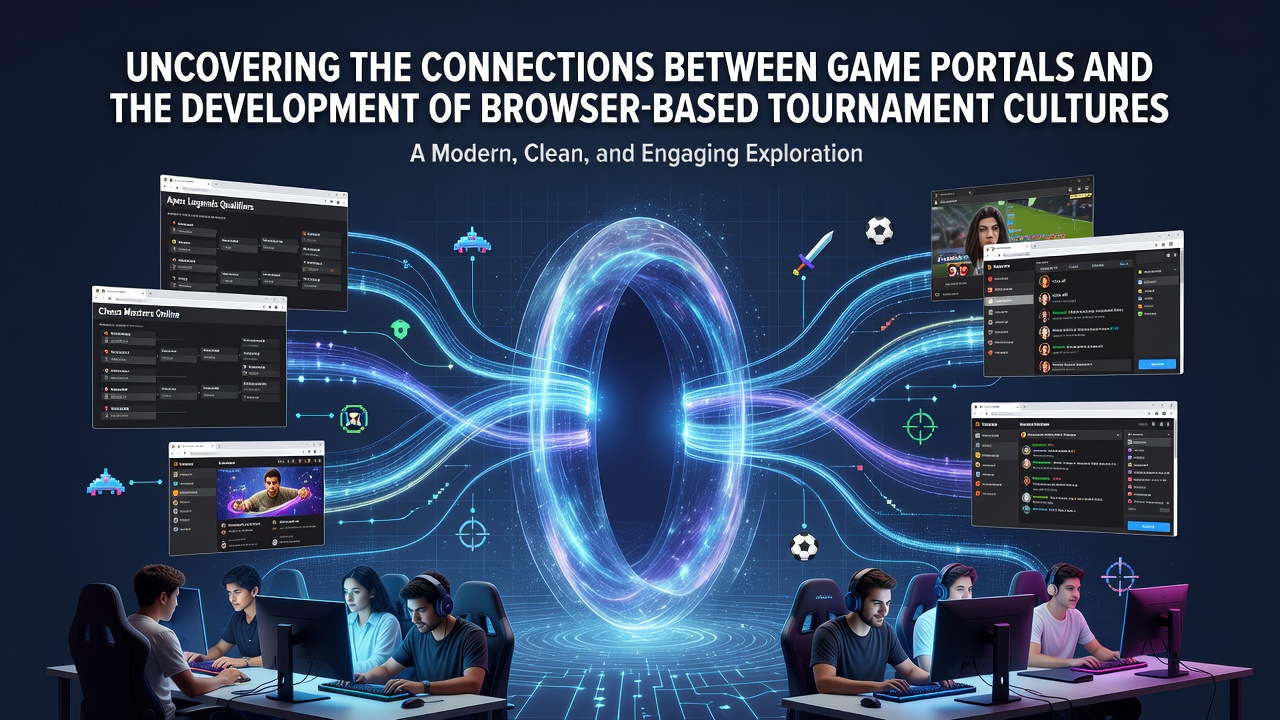
Game portals have long served as centralized platforms where users access thousands of browser-based titles without downloads or installations, and these sites gradually incorporated features that supported organized competitions among players worldwide. Early portals such as Newgrounds and Kongregate introduced user accounts along with score submission systems during the mid-2000s, which allowed participants to compare results across sessions and establish informal rankings that later evolved into structured events.
Early Infrastructure That Supported Competitive Play
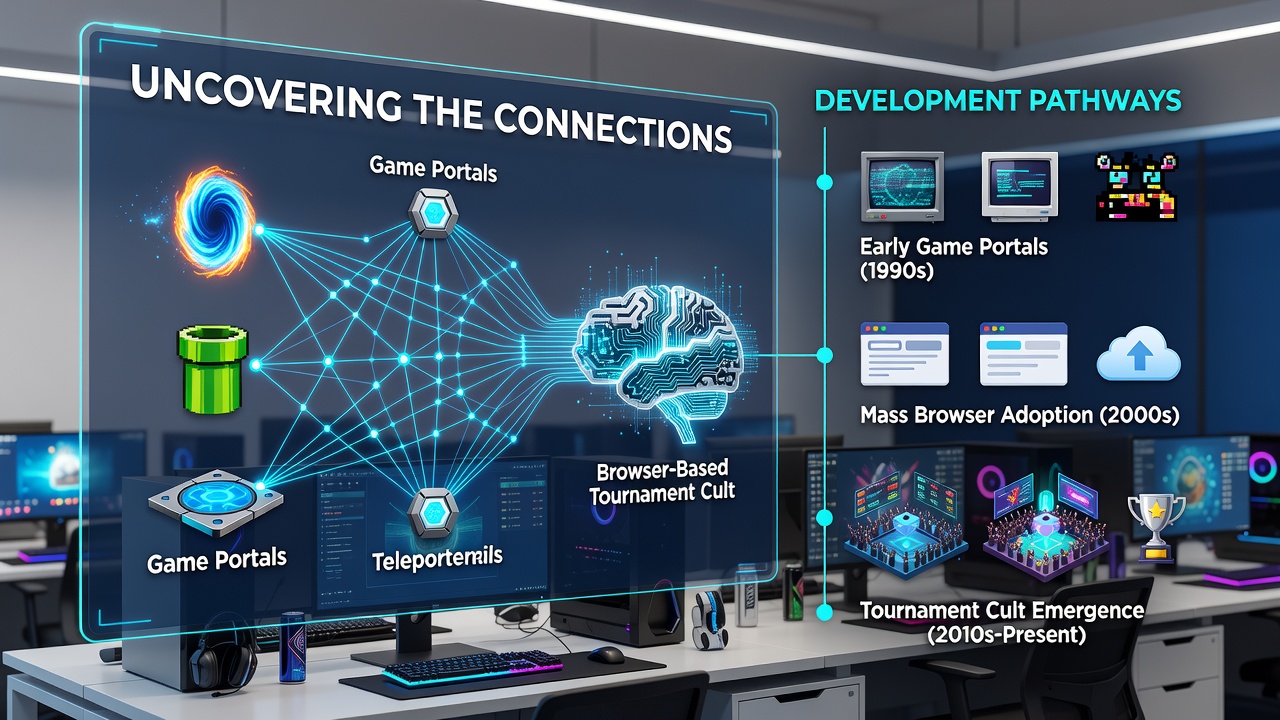
Browser technology in the 2000s relied on Flash and JavaScript to deliver real-time feedback, yet portals added persistent leaderboards that recorded high scores from multiple users simultaneously. Researchers at institutions like the University of California documented how these simple ranking mechanisms encouraged repeated visits and fostered small communities centered around specific genres including puzzle and action games. Data from the Entertainment Software Association shows that browser game engagement grew steadily through 2010, with many portals reporting thousands of daily score submissions that formed the backbone of emerging tournament formats.
Multiplayer lobbies appeared next, enabling direct matches between remote players while portals hosted the matchmaking logic on their servers. This shift transformed solitary score chasing into head-to-head contests, and developers responded by adding time-limited challenges that rewarded top performers with virtual badges or forum recognition. Observers note that these additions created measurable spikes in session length, as players returned to defend or improve their standings.
Expansion of Tournament Formats Across Regions
By the early 2010s, several portals partnered with game creators to run weekly or monthly brackets that mirrored traditional esports structures yet remained accessible through any web browser. Participants registered once, then competed across multiple rounds without leaving the site interface. Figures from European gaming trade groups indicate that browser tournament participation increased notably in countries including Germany and Sweden, where high-speed connections supported larger simultaneous player counts.
Canadian regulatory reports on digital entertainment further highlight how these platforms adapted prize structures using in-game currency or merchandise giveaways rather than cash, keeping activities aligned with consumer protection guidelines. Such adaptations helped maintain steady growth while avoiding heavier oversight applied to other forms of online competition.
Community Tools and Cultural Practices
Integrated chat systems and forum threads became standard on major portals, allowing competitors to discuss strategies and arrange practice sessions outside official events. These social layers strengthened group identities around particular games, and analysts tracking traffic patterns observed that forums attached to high-traffic portals often sustained activity even when the featured tournaments concluded. One documented case involved a rhythm game community on a leading portal that maintained its own Discord server years after the original leaderboard system changed.
June 2026 brought renewed attention to these ecosystems when several portals introduced cross-device leaderboards that synced mobile and desktop scores in real time. Industry reports noted immediate rises in concurrent users during that period, particularly in Asia-Pacific markets where mobile browsers dominate access. Developers incorporated spectator modes that let non-participants watch ongoing matches, expanding audiences and encouraging new entrants to join future brackets.
Technical and Design Influences on Longevity
Modern portals leverage HTML5 and WebGL to deliver smoother animations and reduced latency, which in turn supports more precise competitive mechanics such as frame-perfect inputs in fighting or racing titles. Academic papers from Australian universities have examined how these technical upgrades correlate with longer tournament lifespans, as smoother performance reduces frustration and keeps matches decisive rather than luck-based. Portals that invested early in these standards retained larger active user bases compared with those that delayed migration from legacy plugins.
Security measures including account verification and anti-cheat scripts further protected competitive integrity, and data from North American research consortia shows measurable drops in disputed scores once such tools became widespread. These backend improvements allowed tournaments to scale without proportional increases in moderation staff.
Conclusion
Game portals continue to function as both distribution channels and social infrastructure that sustain browser-based tournament cultures through evolving technology and community features. Their role in standardizing leaderboards, matchmaking, and social tools has shaped how millions of players worldwide engage in organized competition. Ongoing platform updates through 2026 demonstrate that these connections remain active and adaptable as browser capabilities advance.