26 Jun 2026
Global Player Networks Emerge from Browser-Based Gaming Hubs
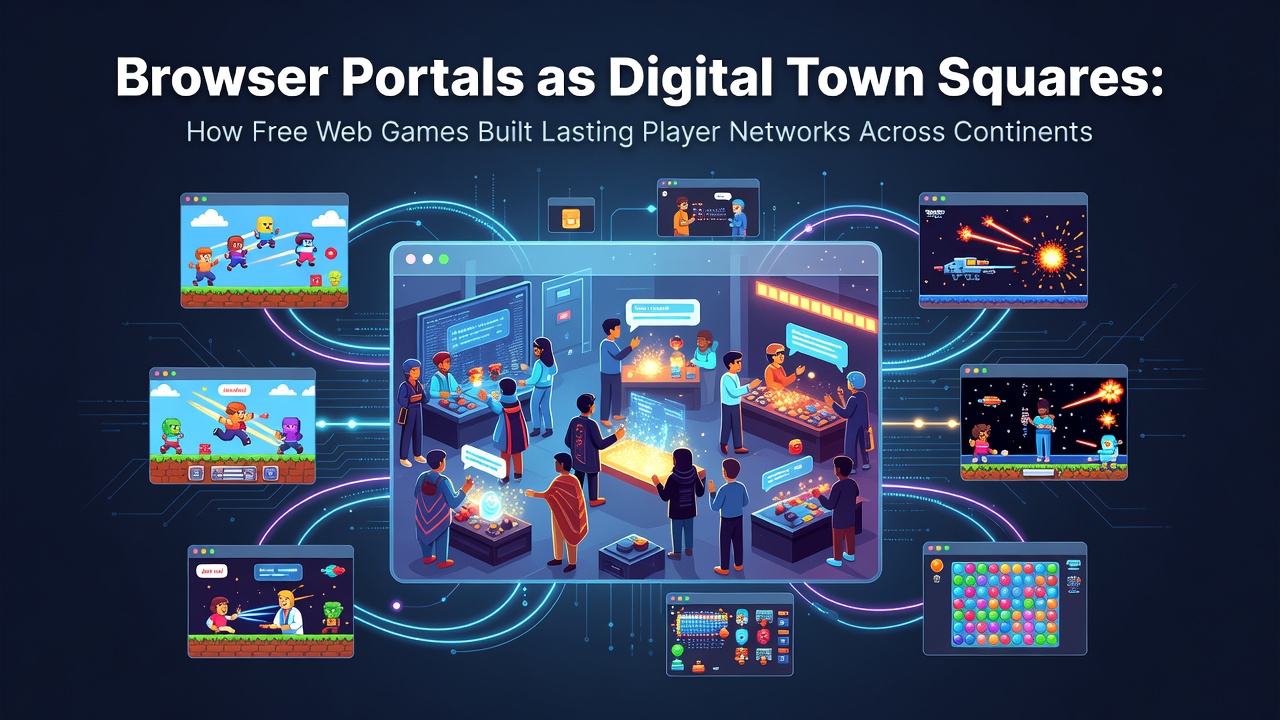
Browser portals have transformed into gathering points where individuals from different continents meet through free web games, and these platforms continue to expand their reach without requiring downloads or installations. Data from industry analyses show that millions log in daily to shared spaces that support multiplayer interactions, chat functions, and persistent player profiles that carry over across sessions and time zones.
Early Development of Accessible Gaming Environments
Developers began creating simple multiplayer experiences in the late 1990s and early 2000s using technologies such as Flash and Java, which allowed instant access through standard web browsers. These early titles attracted users in North America, Europe, and parts of Asia who formed initial groups around cooperative challenges and competitive leaderboards. Research from academic institutions in Canada indicates that browser accessibility lowered entry barriers compared to console or downloadable PC games, enabling broader participation across age groups and income levels.
By the 2010s, HTML5 standards replaced older plugins, and this shift supported smoother performance on mobile devices as well as desktops. Portals integrated social features including friend lists and guild systems that mirrored physical community centers, while free-to-play models relied on optional cosmetic purchases rather than mandatory fees. Figures from European gaming associations reveal steady growth in concurrent users during this period, with many sessions lasting multiple hours as participants coordinated strategies in real time.
Cross-Continental Connections and Persistent Communities
Players often discover that browser portals host environments where time zone differences become advantages rather than obstacles, because overlapping peak hours in regions like East Asia, Western Europe, and South America create round-the-clock activity. One documented case involves strategy games where teams from Australia and North America maintain alliances through scheduled events, and observers note that shared terminology and inside jokes develop across language barriers when translation tools appear within the interface.
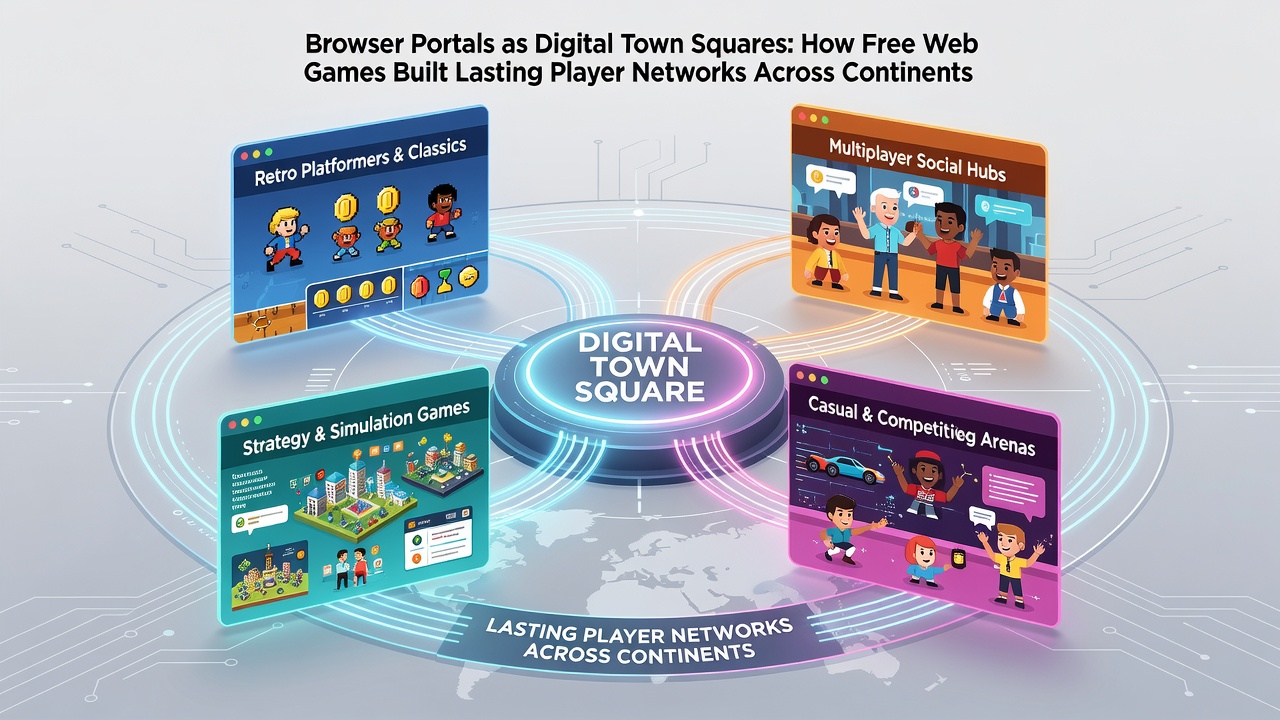
Studies conducted by research groups in Australia highlight how these networks endure beyond individual games, as users migrate between portals while retaining usernames and achievement histories that signal experience to newcomers. In June 2026, reports from the International Game Developers Association documented increased participation from South American and African regions, attributing the trend to improved internet infrastructure and localized language support added by portal operators. Such expansions demonstrate that free web games function as neutral spaces where cultural exchange occurs through gameplay mechanics rather than direct conversation alone.
Technical and Social Mechanisms Sustaining Networks
Portal operators employ matchmaking algorithms that pair participants based on skill ratings and preferred play styles, and these systems draw from global player pools to reduce wait times. According to data compiled by university researchers in the United States, retention rates rise when portals include progression systems that reward consistent participation across months or years. Communities frequently organize external events such as tournaments streamed on separate platforms, which further solidify bonds formed inside the browser environment.
Moderation tools and reporting features help maintain order in public areas, while private servers or clan pages allow smaller groups to operate with greater autonomy. Evidence from regulatory bodies in the European Union shows that transparent data policies encourage users to maintain long-term accounts without concerns over information handling. The combination of low technical requirements and ongoing content updates keeps these digital spaces active even as newer entertainment options emerge.
Future Trajectories for Browser Gaming Ecosystems
Integration with emerging web standards continues to enhance graphical fidelity and input responsiveness, allowing browser titles to compete more directly with native applications. Analysts tracking industry patterns expect further localization efforts that incorporate regional holidays and events into game calendars, thereby strengthening relevance for participants in specific geographic zones. Cross-platform compatibility with emerging devices also supports the continued spread of these networks into additional markets.
Conclusion
Browser portals have established themselves as enduring hubs where free web games facilitate connections that span continents and persist across technological shifts. Records of player activity demonstrate measurable growth in international participation, supported by accessible design choices and community-oriented features. As infrastructure improves globally, these platforms maintain their role in linking individuals through shared digital experiences.