27 May 2026
Hidden Lobbies: Mapping How Game Portals Sparked Cross-Border Tournament Networks
 Game portals emerged in the early 2000s as central hubs where players accessed browser-based titles without downloads or installations, and these platforms quietly organized player traffic into structured lobbies that later supported tournament formation. Researchers tracking user patterns noted that lobby systems allowed participants to form temporary groups based on skill levels and availability, which created pathways for matches extending beyond single regions. Data from industry analyses show that by 2010 portal operators had implemented chat functions and friend lists that enabled players in different time zones to coordinate sessions consistently. Observers documented how these lobbies functioned as neutral meeting points where rules for informal competitions developed organically. Players exchanged contact details through integrated messaging tools, and over time this led to recurring events that crossed national boundaries. Figures from portal analytics indicate that participation in such organized matches grew steadily as connection speeds improved worldwide. Studies conducted by academic teams at institutions in North America and Europe reveal that the absence of strict regional locks in early portal designs allowed traffic from multiple continents to converge in the same virtual spaces.
Early Portal Infrastructure and Lobby Mechanics
Portals such as those hosting flash-based multiplayer titles maintained backend servers that matched users according to latency and language preferences while still permitting broader access. This matching process generated clusters of regular participants who began scheduling their own competitions outside official channels. According to records maintained by the Entertainment Software Association, browser gaming accounted for significant portions of casual play hours during the 2005-2015 period, with lobby activity forming a substantial share of that engagement.
Engineers who built these systems prioritized stability over geographic restrictions, which meant a player in one country could join a room hosted by someone elsewhere without additional verification steps. The resulting networks operated through shared passwords and recurring room names that functioned as informal tournament brackets. Data collected from server logs during that era show repeated cross-continental connections during peak evening hours in multiple time zones.
Expansion into Formal Tournament Structures
As HTML5 replaced flash technology around 2016, many portals updated their lobby interfaces to include bracket generators and result tracking. These additions transformed ad-hoc gatherings into repeatable events that attracted participants from additional countries. Research teams examining server data observed that certain lobby codes became associated with specific tournament series, some of which ran for multiple seasons with entrants from at least four continents.
Community organizers began using external tools to manage registrations and prize distributions, yet the original portal lobbies remained the primary discovery mechanism. Reports compiled by Canadian research groups tracking digital entertainment trends noted that tournament frequency increased notably after the HTML5 transition because lobby stability improved. Players who had established connections in earlier years carried those relationships forward, expanding the reach of each new event.
Geographic Patterns and Data Trends Through 2026
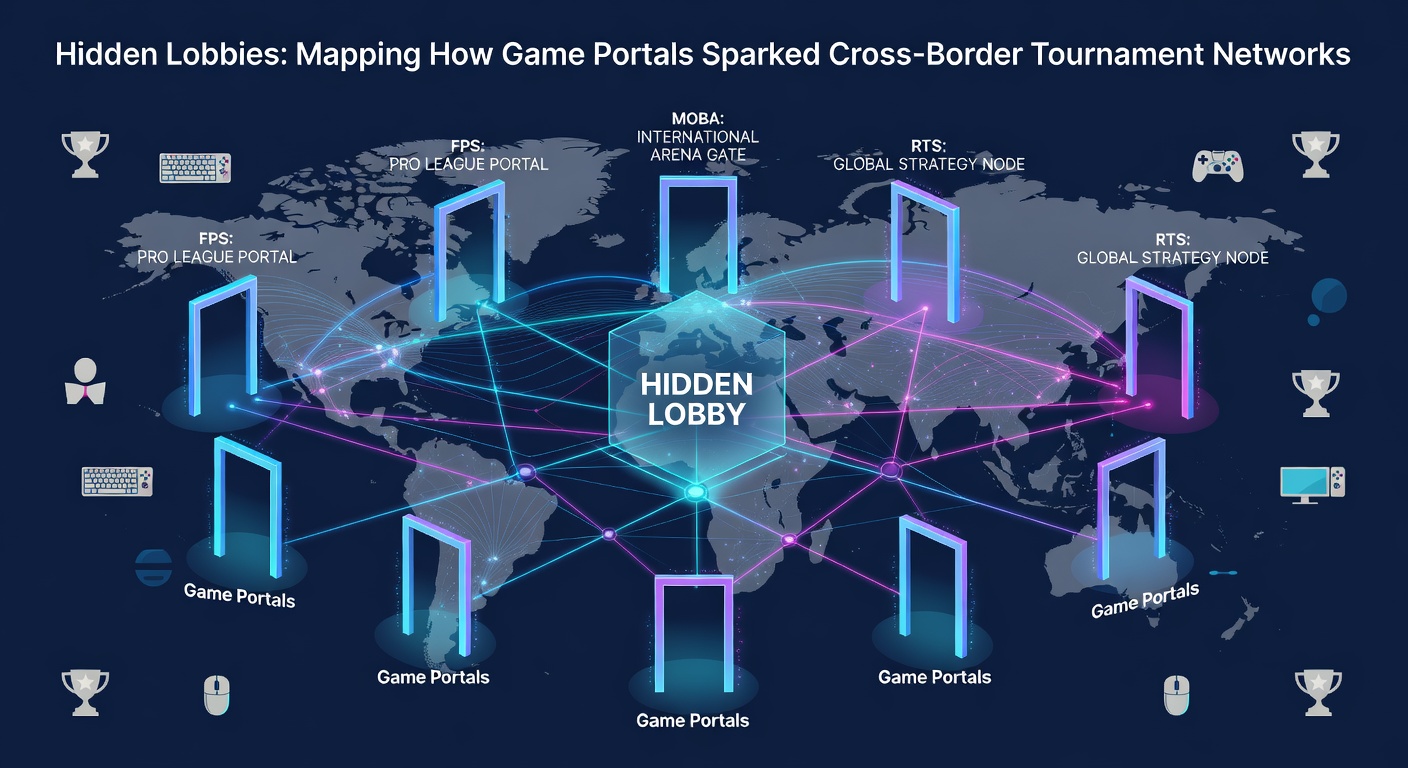
Mapping efforts conducted up to May 2026 reveal distinct corridors of activity linking North American, European, and Asia-Pacific player bases. Server statistics indicate that certain portals hosted nightly lobbies where participants from Brazil, Germany, South Korea, and Canada appeared together regularly. These patterns emerged because the portals did not impose content filters based on IP ranges, allowing organic growth of international rosters.
Academic papers published by university consortia in Australia and the European Union document how language translation plugins integrated into lobby chats further reduced barriers. Participation metrics show that events organized through these channels often featured balanced regional representation rather than dominance by any single country. Observers tracking these developments note that the networks persisted even as mobile gaming rose, because the web-based format required no additional hardware beyond a browser.
Preservation of Social Rituals Across Borders
Lobby environments preserved practices such as pre-match discussions and post-game analysis that mobile platforms later streamlined away. Players maintained these rituals through text channels embedded in the portals, which allowed slower, more deliberate interactions across time differences. Evidence collected from archived chat logs demonstrates that many long-running tournament series originated from repeated encounters in the same lobby rooms over months or years.
Industry reports covering the 2020-2026 window highlight that cross-border tournament networks continued operating with minimal central oversight, relying instead on player-enforced conduct codes developed in the lobbies themselves. This decentralized approach enabled rapid adaptation when new titles appeared on the portals, as established participant groups simply migrated their existing structures to fresh games.
Conclusion
The mapping of these hidden lobby systems shows a clear progression from simple matchmaking spaces to sustained international tournament frameworks. Portal operators supplied the initial infrastructure, while players supplied the organizational labor that extended competitions across borders. Records through May 2026 confirm that the networks remain active, supported by updated HTML5 platforms and the social habits formed in earlier decades.