10 Jul 2026
Pixelated Gatherings: How Early Web Portals Turned Casual Browser Sessions into Global Tournament Networks
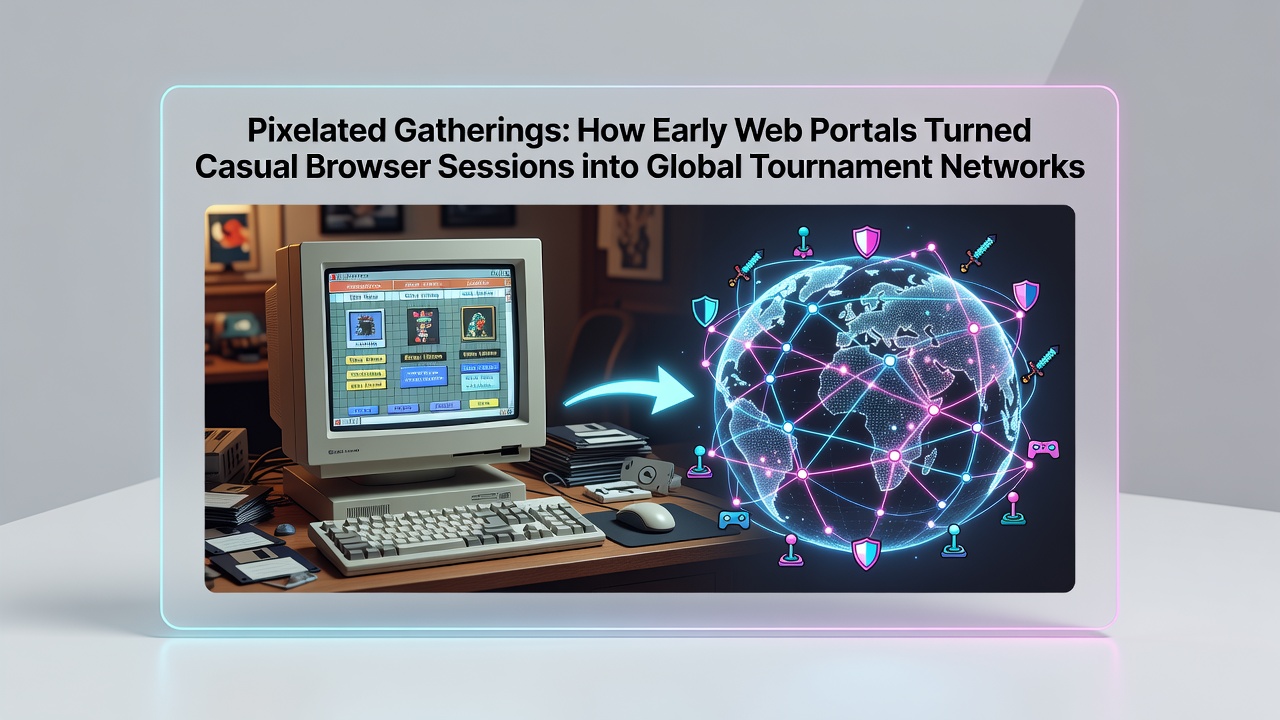
Early web portals in the mid-1990s began as simple directories and email services yet quickly expanded into spaces where users gathered for interactive entertainment. Platforms such as AOL, Yahoo, and MSN incorporated game sections that allowed browser-based play without downloads, and these features transformed solitary browsing into shared experiences. Data from internet usage studies indicate that by 1998 millions of dial-up connections supported real-time interactions through Java and Shockwave technologies, while portal operators added leaderboards and scheduled events to retain visitors.
The Shift from Single Sessions to Structured Play
Browser games started with basic puzzles and card titles that users accessed during short online periods. Portals soon layered chat functions alongside these activities, which encouraged repeat visits and group coordination. Observers note that this setup created informal communities where players tracked scores across multiple logins. Research from academic archives shows that tournament formats emerged when operators introduced bracket systems and prize incentives, turning casual matches into organized competitions that spanned time zones. Players joined through standard web browsers, and the absence of dedicated clients lowered barriers for participants worldwide.
Technological constraints shaped these networks. Limited bandwidth favored turn-based games and simple graphics, yet developers optimized for 28.8k modems to maintain steady connections during events. Portals integrated user accounts that carried progress across sessions, which supported persistent rankings and seasonal challenges. Figures from early digital reports reveal steady growth in registered players as portals competed for attention in the expanding online ecosystem.
Key Platforms and Their Tournament Systems
Yahoo Games hosted chess, backgammon, and bingo rooms that ran daily tournaments with automated pairings. MSN Gaming Zone offered similar structures for strategy titles, and users formed clans that competed in weekly ladders. AOL's game channels featured hosted events with live moderators who managed brackets and resolved disputes in real time. These systems relied on centralized servers that logged results and updated public standings, creating visible hierarchies that motivated continued participation.
Community features extended beyond matches. Integrated messaging allowed strategy discussions between rounds, while portal homepages highlighted top performers to draw spectators. One documented case from 1999 shows a multi-day bridge tournament that attracted entrants from North America adn Europe through a single web interface. Such events demonstrated how portals aggregated dispersed users into simultaneous competitions without requiring specialized hardware.
Expansion into Global Networks
International reach developed through localized language options and time-zone scheduling that accommodated users across continents. Data indicates that participation rates increased when portals added region-specific leaderboards alongside global ones. Industry analyses from the period highlight partnerships with game developers who supplied fresh titles in exchange for distribution through established portals. This model scaled tournament infrastructure without heavy investment from any single company.
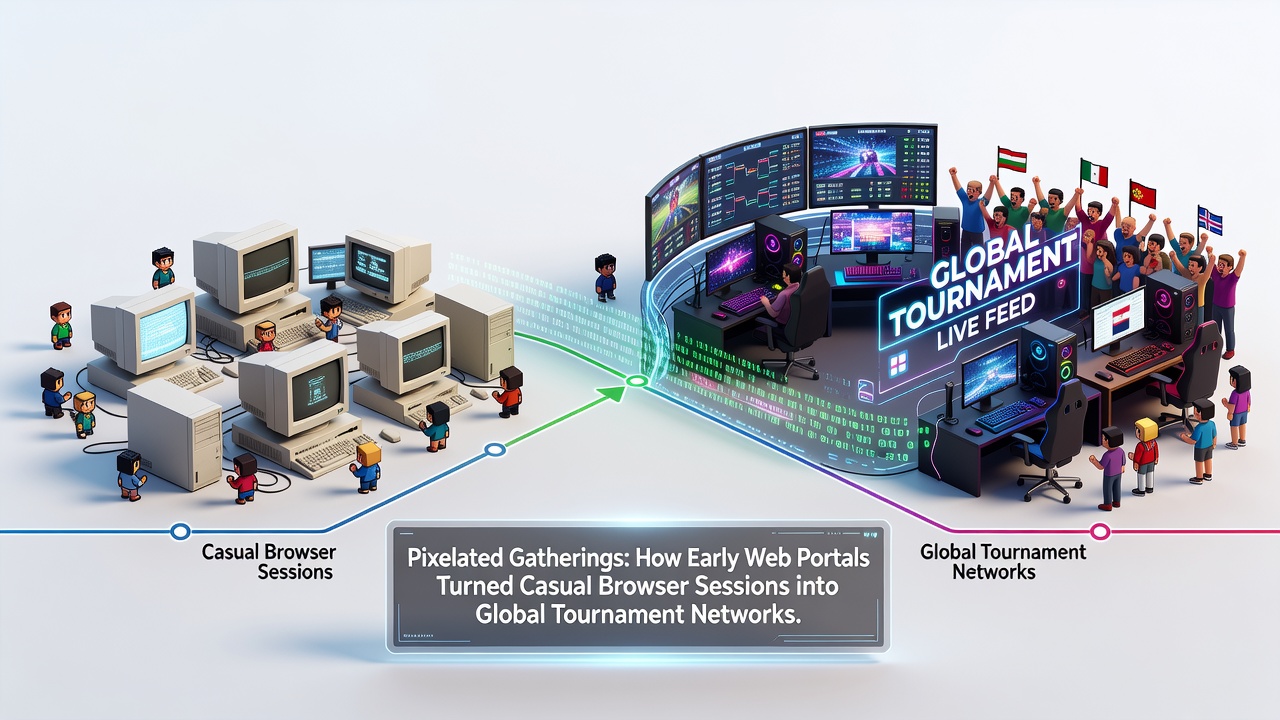
By the early 2000s these networks influenced later platforms that adopted similar ranking and matchmaking tools. Government digital strategy documents from Canada and Australia note the role of public internet access points in broadening access to such events for users outside major urban centers. Academic papers on computer-mediated communication describe how early tournament logs provided datasets for studying group dynamics in virtual environments.
Legacy adn Ongoing Influence
Archives preserved by institutions including the Internet Archive document thousands of tournament results that trace player migrations across titles. Modern services continue to reference these early designs when implementing cross-platform events. As of July 2026, historical analyses presented at digital culture conferences continue to examine how portal-era mechanics underpin current competitive ecosystems. Regulatory filings from the European Union on digital services reference these origins when discussing platform accountability for user-generated competitions.
Portals also introduced monetization patterns through premium memberships that granted tournament entry or ad-free play. These experiments informed subscription models adopted by subsequent gaming services. Research indicates that the combination of accessibility and competition fostered skills in coordination and quick decision-making that carried into professional contexts beyond entertainment.
Conclusion
Early web portals established the technical and social foundations for global tournament networks by embedding games within everyday browsing routines. Their progression from simple lobbies to ranked events created templates still visible in contemporary systems. Records and studies confirm that browser-based gatherings of the 1990s and 2000s scaled participation to international levels through incremental feature additions rather than abrupt redesigns. This history illustrates how centralized portals converted individual sessions into collective, competitive structures that persist in evolved forms today.