15 Jun 2026
Portal Pathways: How Early Web Hubs Forged Lasting Bonds in Casual Multiplayer Circuits
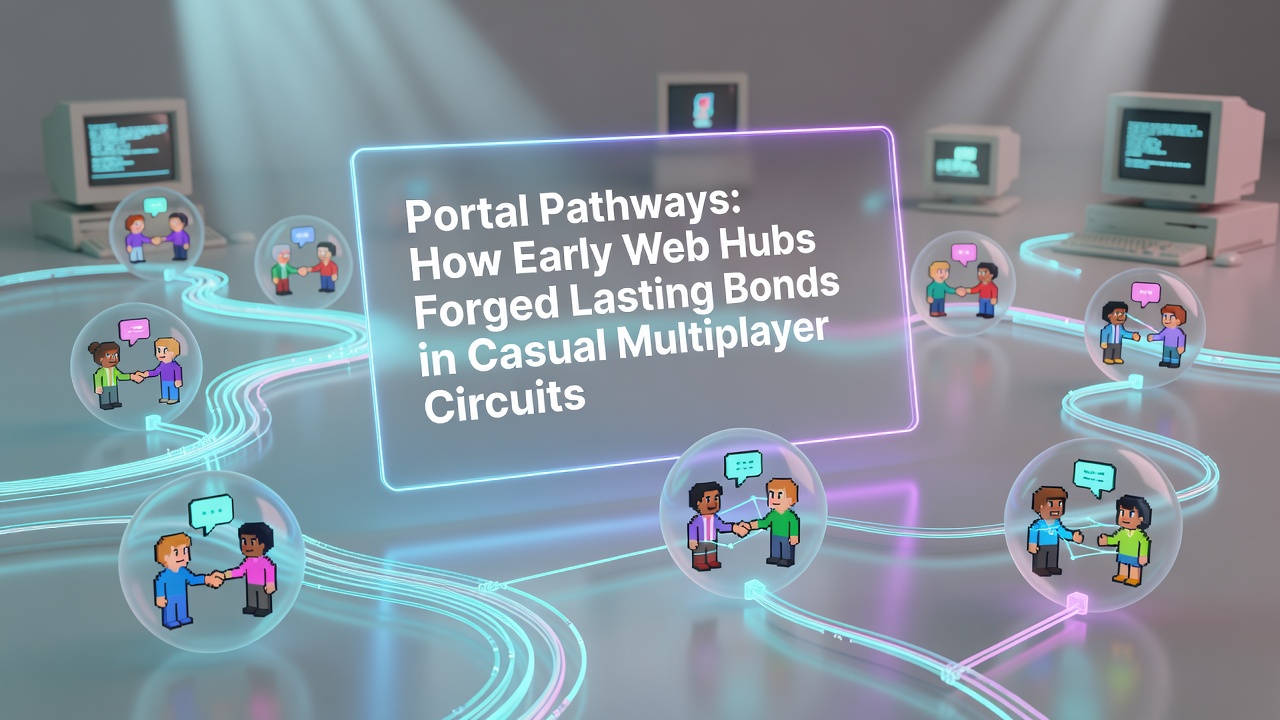
Early web hubs emerged in the mid-1990s as centralized online destinations where users gathered for casual multiplayer experiences, and these platforms quickly developed structures that supported repeated interactions among participants across different regions. Services such as MSN Gaming Zone and Yahoo Games provided accessible entry points for players seeking card games, board games, and simple action titles that required minimal hardware while connecting strangers through shared sessions.
Foundations of Early Web Hubs
Portal sites operated on browser-based technologies and client downloads that allowed users to join game rooms without complex installations, which lowered barriers for participation and encouraged daily logins from diverse demographics. Data from internet usage reports indicate that by 1998 over 20 million users accessed such platforms monthly, with many returning to the same virtual tables or arenas to continue matches started the previous day. Researchers at academic institutions have documented how these hubs incorporated persistent user profiles and friend lists that tracked play history, thereby transforming one-off encounters into recurring social patterns.
Chat functions integrated directly into game lobbies enabled conversation alongside gameplay, and this combination created environments where participants discussed strategies, shared personal updates, and coordinated future sessions. Observers note that the casual nature of the titles, including variants of checkers, backgammon, and trivia contests, reduced competitive pressure and fostered inclusive atmospheres that welcomed newcomers alongside veterans.
Mechanics of Connection in Multiplayer Circuits
Matchmaking systems in these portals relied on room-based organization rather than algorithmic pairing, which meant players could browse available tables and select opponents based on skill indicators or chat activity visible before joining. This approach allowed communities to self-organize around preferred play styles, and studies from European research centers show that such flexibility contributed to higher retention rates compared to purely random matchmaking models used in later platforms. Users often formed groups that migrated between different game types within the same hub, building familiarity through consistent presence during peak evening hours.
Leaderboards and tournament features added layers of recognition that rewarded regular participation, yet the emphasis remained on social continuity rather than ranking alone. Figures from industry analyses reveal that many users maintained contact outside the portals through early email lists or instant messaging services, extending relationships formed during multiplayer rounds into offline contexts.
Case Examples from Key Platforms
One prominent example involves the development of dedicated bridge and chess communities on platforms like the Internet Chess Club and similar card-focused sites, where players scheduled recurring matches that spanned years. Those who participated frequently reported developing shorthand communication styles and inside references that strengthened group identity over time. In another instance, trivia game circuits on early AOL and CompuServe channels created weekly event structures that drew consistent crowds, leading to the formation of teams that competed across multiple seasons.
Regional variations appeared as well, with Australian users gravitating toward time-zone-friendly evening events on international portals while European players coordinated across country borders through shared language rooms. According to reports from the Australian Communications and Media Authority, these cross-border connections increased steadily through 2003 as broadband adoption expanded access beyond dial-up limitations.
Evolution and Lasting Impacts Through 2026
As web technologies advanced, many original hubs transitioned or declined, yet the social frameworks they established influenced subsequent multiplayer designs in both casual and competitive spaces. By June 2026, archival projects have preserved server logs and user testimonials that demonstrate how initial bonds from these circuits evolved into long-term networks, with some groups organizing annual in-person meetups decades after their first online encounters. Research papers from North American universities highlight that participants who engaged in early portal communities showed elevated rates of continued online social activity compared to later cohorts introduced through standalone apps.
Modern platforms have incorporated elements like persistent avatars and cross-game friend systems that trace directly to practices pioneered in those web hubs, and data compiled by gaming trade organizations confirm the role of early matchmaking rooms in shaping user expectations for community features. The transition to mobile and app-based casual play preserved certain circuits while introducing new ones, though the core mechanism of repeated shared sessions remains consistent with patterns observed in the 1990s.
Conclusion
Portal pathways established foundational patterns for casual multiplayer interaction that extended beyond individual games into sustained interpersonal networks. Evidence from usage statistics and historical analyses shows these early web hubs created conditions where repeated participation led to recognizable social structures, and those patterns continue to inform how contemporary systems support ongoing connections among players worldwide.