24 Jun 2026
Portal Pioneers: Tracing Multiplayer Connections Through Early Web-Based Game Hubs
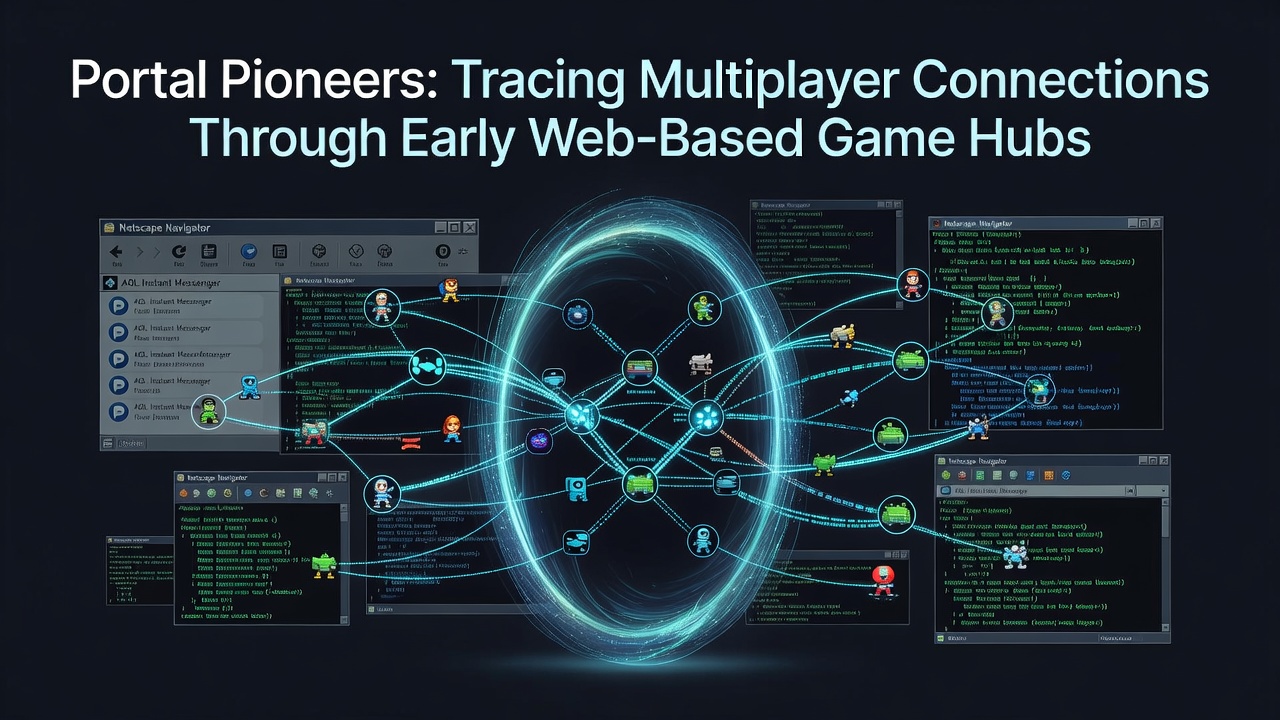
Early web-based game hubs emerged in the mid-1990s as platforms that connected players across dial-up connections through browser-accessible lobbies and matchmaking systems. These portals built on prior bulletin board systems yet shifted focus to graphical interfaces and real-time interactions that required no dedicated client software beyond a web browser and plugins like Java or Shockwave. Researchers at institutions such as the University of California have documented how these sites reduced barriers for casual users who previously needed specialized hardware or software installations.
The Rise of Centralized Multiplayer Portals
Zone.com launched in 1996 under Microsoft and quickly became one of the largest hubs for titles including Age of Empires and Hearts, with peak concurrent users exceeding 100,000 during evening hours in North America. The platform used centralized servers to manage game sessions and player accounts, which allowed seamless transitions between chat rooms and active matches. Data from industry reports indicates that similar European services such as those operated under the ELSPA umbrella in the United Kingdom followed comparable models by 1998, though with smaller user bases concentrated around strategy and card games.
Yahoo Games expanded this model in 1998 by integrating multiplayer support for checkers, chess, and backgammon directly into its main portal, attracting millions of registered accounts within the first two years. Observers note that these hubs relied on persistent user profiles and rating systems to match opponents of similar skill levels, a feature that later influenced modern matchmaking algorithms. While many early connections occurred over 56k modems, the architecture emphasized low-bandwidth data exchange that kept latency manageable for turn-based and simple real-time games.
Technical Foundations and Regional Variations
Java applets and Flash-based multiplayer frameworks powered most interactions on these platforms, enabling cross-platform compatibility before widespread broadband adoption. A 2002 study from the Technical University of Berlin examined packet traffic patterns on German-hosted game portals and found average session durations of 25 minutes for card games versus 45 minutes for strategy titles, highlighting how connection stability shaped game design choices. Australian gaming archives record parallel developments through local services that mirrored North American structures yet adapted payment models to regional telecommunications pricing.
Portal operators maintained dedicated server farms to handle authentication and state synchronization, which reduced the load on individual player machines. Those who've examined server logs from the period report frequent peaks during holiday periods when families shared single household connections, prompting developers to implement turn timers and reconnection protocols. By 2001 several hubs had introduced tournament brackets that tracked win streaks across thousands of participants, establishing data collection practices still referenced in contemporary esports analytics.
Community Building and Infrastructure Growth
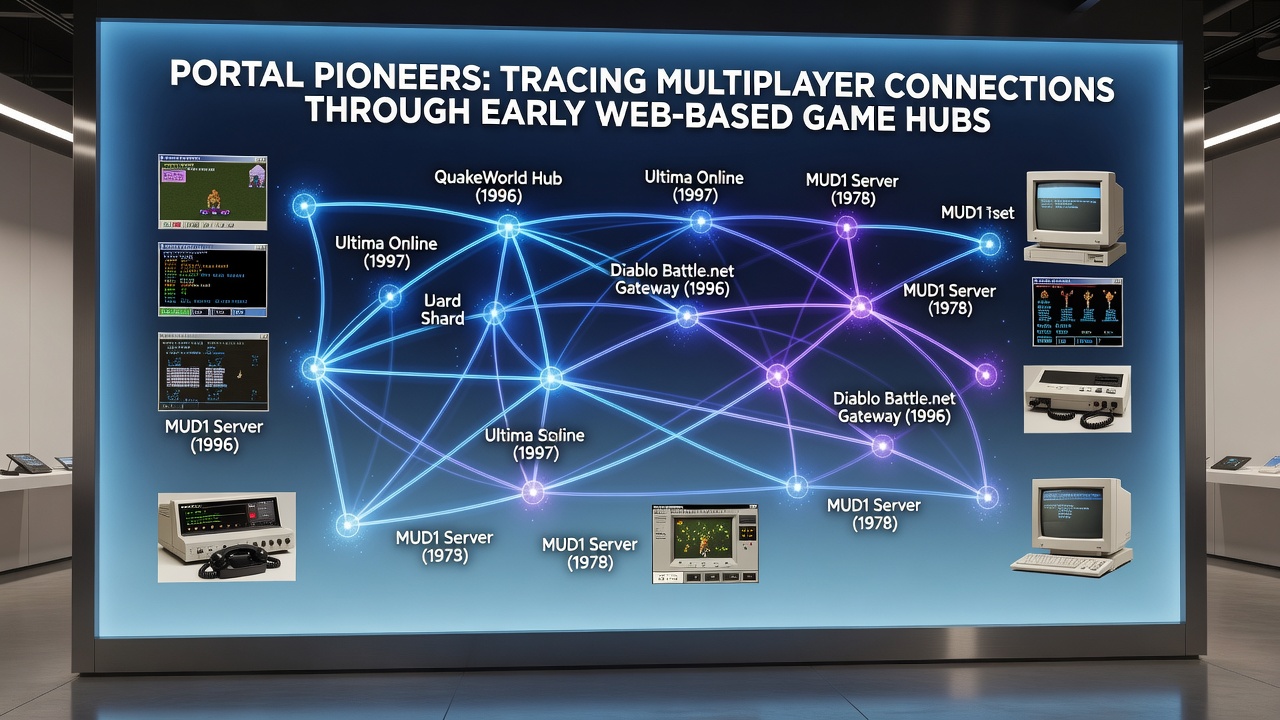
Chat integration within game lobbies fostered social connections that extended beyond individual matches, with many portals hosting themed rooms for specific age groups or interests. According to figures released by the Entertainment Software Association, online gaming participation in the United States grew from roughly 5 million users in 1999 to over 20 million by 2004, driven largely by these accessible web hubs. Canadian regulatory documents from the same era note increased demand for improved rural connectivity as players sought stable links to centralized servers.
Developers responded by creating modular game packs that portals could host without custom coding, which accelerated content variety. One documented case involved a small studio supplying bridge and spades variants to multiple platforms simultaneously, illustrating how shared infrastructure lowered entry costs. The reality is that these systems also introduced early moderation challenges, leading operators to deploy volunteer administrators who enforced conduct rules across time zones.
Legacy Systems and June 2026 Developments
Many original portal domains have been archived through initiatives such as the Internet Archive's software library, preserving lobby interfaces and chat logs that illustrate early social dynamics. In June 2026 several university digital humanities projects plan to release interactive reconstructions of 1990s matchmaking algorithms based on recovered source materials, allowing researchers to simulate connection patterns from that period. European Union cultural heritage grants have supported similar efforts focused on regional language interfaces that operated alongside English-dominant platforms.
Those studying network evolution point to the transition from centralized portals to peer-assisted and later cloud-based systems as a direct outgrowth of lessons learned in the late 1990s. Server logs preserved by academic collections reveal how load-balancing techniques refined during the dial-up era informed later content delivery networks used by streaming services. The writing's on the wall that foundational matchmaking concepts from these hubs continue to appear in contemporary free-to-play titles that emphasize quick session starts.
Conclusion
Portal pioneers established the technical and social frameworks that shaped multiplayer gaming's expansion beyond local networks. Their centralized lobbies, profile systems, and plugin-driven interfaces addressed connectivity constraints of their time while creating scalable models for global player interaction. Continued archival work and academic analysis ensure these early systems remain accessible for study as network technologies advance.