29 May 2026
Portal Webs: Mapping Transnational Casual Play Networks Spawned by Download-Free Hubs
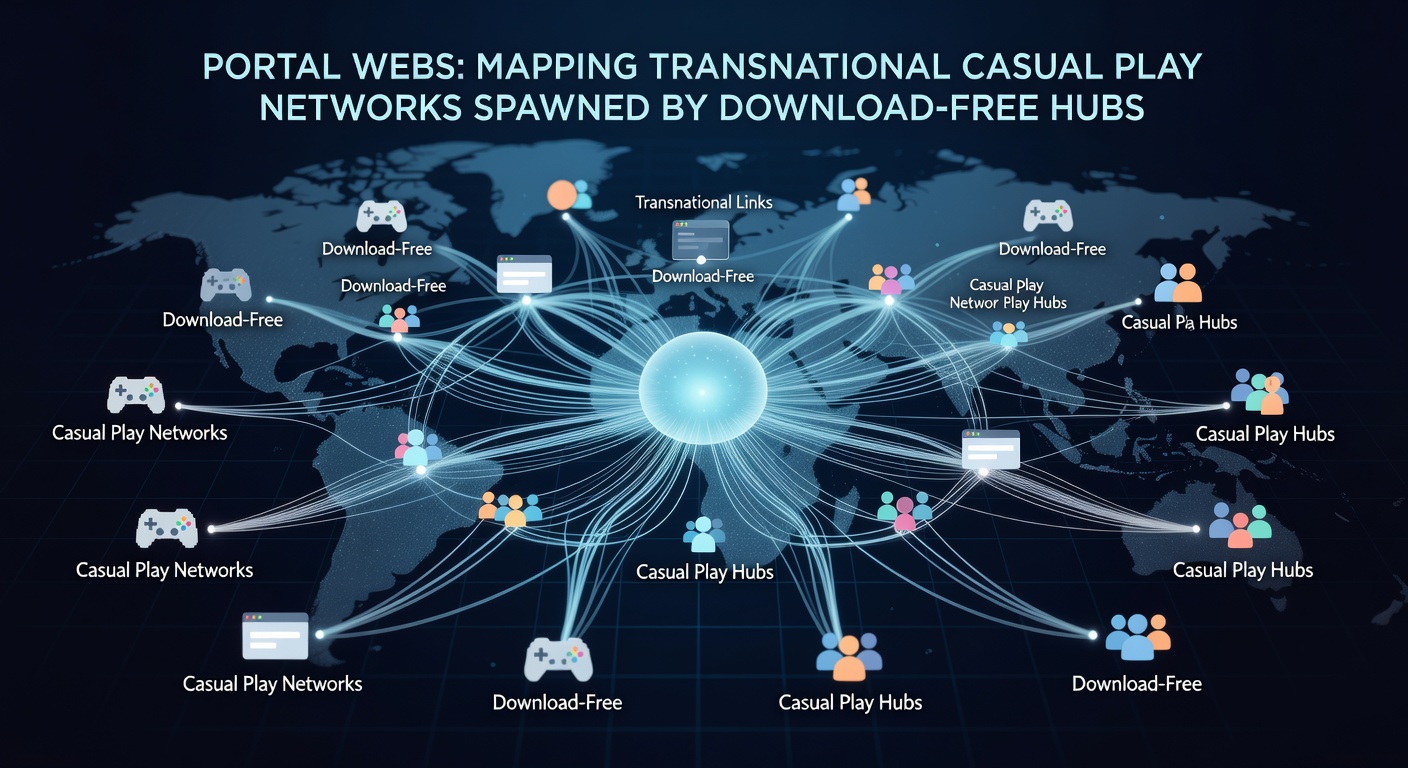
Download-free hubs operate through browser-based platforms where users access games instantly without software installation, and these systems generate interconnected play networks that span multiple countries. Observers note that such hubs rely on HTML5 and similar technologies to enable real-time interactions among participants located in different regions, creating patterns of casual engagement that researchers track through server logs and player data.
Origins and Technical Foundations
Early web portals established the model for these networks by hosting simple multiplayer titles that required only a browser connection, and this approach expanded as broadband access grew in various nations. Data from industry reports indicate that platforms built around these hubs facilitate thousands of simultaneous sessions daily, with connections forming across borders because the entry barriers remain minimal compared to downloaded applications. Researchers discovered that the architecture supports quick matchmaking through centralized lobbies, which in turn maps player clusters based on time zones and regional preferences rather than physical proximity.
Technical standards developed by standards bodies allow seamless integration of features like voice chat and shared scoreboards, while updates in May 2026 introduced enhanced latency handling that further stabilized cross-continental sessions. Figures from the Entertainment Software Association reveal steady growth in browser-based multiplayer participation, particularly in areas where mobile data costs limit alternative options.
Network Mapping Through Player Interactions
Analysts map these transnational networks by analyzing connection metadata, including IP addresses and session durations, which reveal clusters linking players from North America to Europe and Asia within single game instances. Studies conducted at academic institutions show that casual hubs produce dense webs of repeat interactions, where individuals from one country often form ongoing groups with counterparts from distant locations due to compatible play schedules. This mapping process highlights how download-free environments reduce friction, allowing networks to emerge organically without dedicated infrastructure investments.
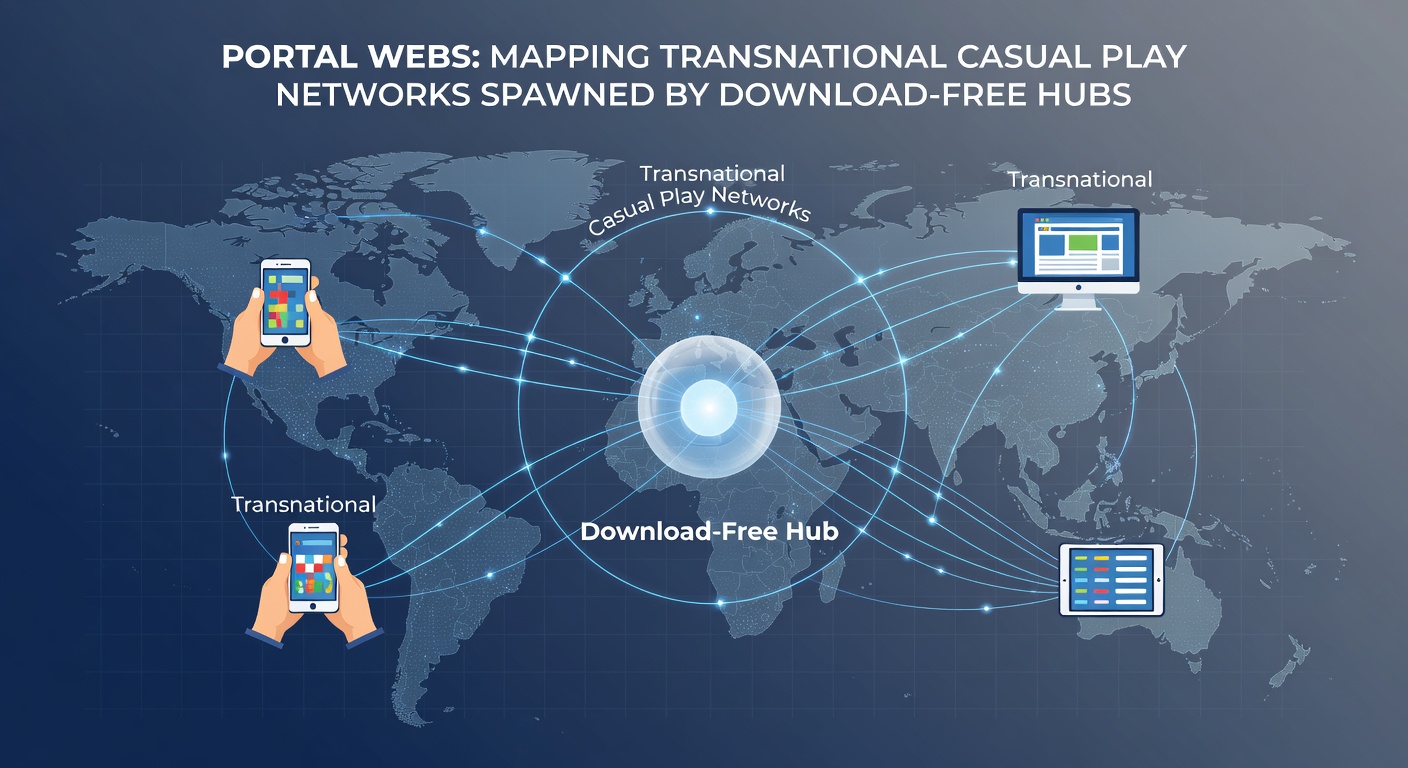
One documented case involves European portals connecting users in Australia with participants in South America during evening hours in their respective zones, and data indicates these pairings occur frequently enough to form stable subgroups. Government statistics from Canadian regulatory sources track similar patterns in North American hubs, confirming that casual play extends beyond local audiences when access remains unrestricted by downloads.
Regional Variations and Data Patterns
Regional differences appear in network density, with higher concentrations of activity in areas possessing widespread high-speed internet, whereas emerging markets contribute through mobile browser access that bypasses hardware limitations. Research from European trade organizations demonstrates that these hubs preserve social elements such as informal tournaments, which link participants across jurisdictions and generate shared cultural references within games. What's interesting is how session data from May 2026 reflects increased participation from regions adopting updated browser standards, creating new pathways in the overall map.
Observers have tracked how these networks adapt to local regulations on online content without requiring users to alter core behaviors, and industry reports confirm that the resulting connections often persist across multiple games hosted on the same portal family. This persistence allows analysts to identify recurring transnational routes that casual play follows over time.
Implications for Broader Gaming Ecosystems
Download-free hubs influence larger ecosystems by feeding players into more structured environments while maintaining their casual roots, and evidence suggests these transitions strengthen overall retention across platforms. Academic papers outline how the initial bonds formed in browser lobbies translate into sustained engagement that crosses game genres and device types. The mapping of such networks provides insight into global play habits that differ from those captured in traditional console or app-based metrics.
Additional patterns emerge when examining peak usage times, which align across continents through coordinated events hosted on these hubs, and data shows consistent spikes that reflect shared interest rather than isolated regional trends. Those studying the field note that the absence of download requirements enables rapid scaling of participant pools, which in turn enriches the datasets available for network analysis.
Conclusion
Portal webs continue to evolve through ongoing technical refinements that support ever-wider transnational connections, and the mapping of these structures offers concrete evidence of how download-free hubs sustain casual play across borders. Data gathered through 2026 illustrates stable growth in these networks, with patterns that researchers continue to document for insights into global digital interaction.