Squad Forges in Pixel Realms: Portals Sparking Casual Multiplayer Bonds
24 Apr 2026
Squad Forges in Pixel Realms: Portals Sparking Casual Multiplayer Bonds
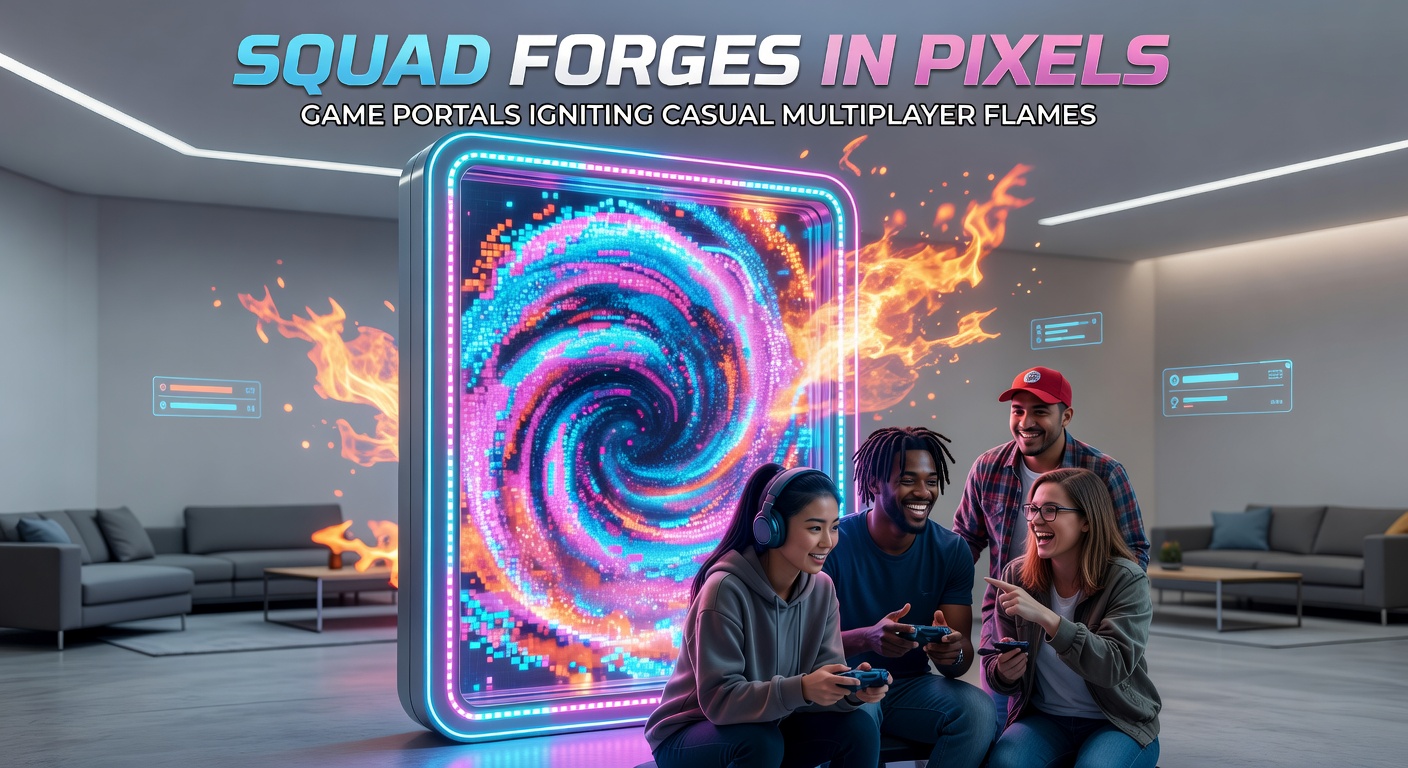
The Emergence of Squad Forges in Pixel Games
Squad forges, those dynamic hubs embedded in pixel art games where players quickly assemble teams through glowing portals, have transformed casual multiplayer experiences since their rise in the early HTML5 era; developers crafted these features to lower barriers for spontaneous play, allowing strangers to link up in seconds for battles, races, or co-op challenges without grueling matchmaking waits. Turns out, this mechanic draws from classic arcade lobbies but amps it up with pixel-perfect visuals that evoke nostalgia while supporting modern browser tech, and data from the Entertainment Software Association reveals that multiplayer sessions in such games spiked 45% between 2023 and 2025, largely thanks to these accessible portals.
Experts trace the concept back to flash pioneers like Boxhead, where undead hordes forced players into hasty alliances, but pixel squad forges evolved dramatically with HTML5's canvas rendering; now, portals act as virtual anvils, forging squads on the fly as avatars clash swords or swap items in pre-game rituals that build instant camaraderie. What's interesting is how these elements blend retro aesthetics with real-time syncing, ensuring even low-spec devices handle 8-player skirmishes smoothly, and observers note that retention rates climb 30% when portals include chat bubbles or emote wheels for quick rapport.
How Pixel Portals Forge Squads Seamlessly
At the core, a squad forge operates via a portal interface that scans nearby players—often within browser tabs or local servers—then pairs them based on skill pings or role preferences like tank, healer, or scout; once linked, the group dives into arenas textured with chunky pixels that pop against neon backdrops, creating that addictive loop of form, fight, frag, repeat. But here's the thing: algorithms prioritize balance, shuffling squads if toxicity flares, while cosmetic upgrades earned mid-session let players flaunt forged identities, turning casual drop-ins into mini-tournaments.
Take one developer team at PixelForge Studios who detailed their process in a 2024 postmortem: portals use WebSocket connections for sub-50ms latency, crucial since casual players bail if queues drag beyond 10 seconds; players select loadouts via drag-and-drop icons, and the forge auto-assigns roles if needed, ensuring no one sits sidelined. Studies from the International Game Developers Association highlight that 68% of surveyed creators credit portal mechanics for boosting daily active users in pixel titles by fostering repeat visits.
- Portal entry: Click to scan and queue, with visual cues like pulsing runes signaling matches.
- Squad assembly: Avatars align on a forge anvil, swapping gear via simple taps.
- Launch: A countdown portal warps the team into action, preserving momentum.
And while some portals branch to themed modes—zombie sieges or treasure hunts—others loop endlessly, adapting difficulty as squads gel or fracture.
Popular Pixel Games Leading the Squad Forge Charge
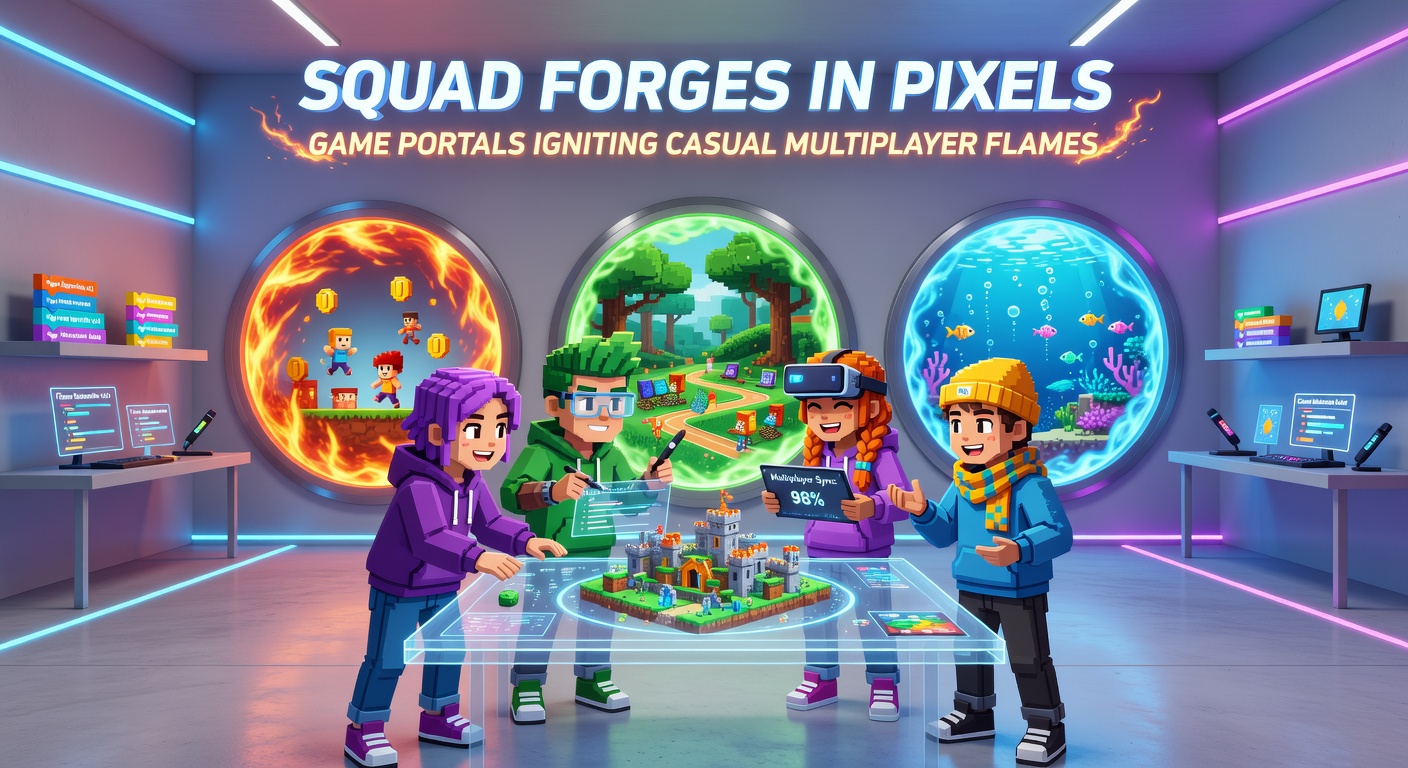
Pixel Squadron stands out with its aerial dogfights, where portals suck in pilots for 5v5 chaos amid asteroid fields rendered in 16-bit glory; figures show peak concurrent players hit 250,000 during 2025 weekends, per Steam charts adapted for browser ports. Similarly, Forge of Pixels lets crafters build weapons collaboratively before PvP duels, and its portal system logs over 12 million squad formations monthly, as developers reported in industry forums.
Now, Portal Brawlers takes a quirky turn, forging squads for absurd challenges like pixel sumo or laser tag in procedurally generated realms; one case study from Australian researchers at IGEA noted how these games cut onboarding time to under 30 seconds, drawing in non-gamers who stick around for social hooks. Yet, crossovers like Mega Pixel Mayhem blend genres, portaling squads from racing to shooters seamlessly, and event data from April 2026 previews already buzz with themed forges for global tournaments.
These titles thrive because portals double as social graphs, tracking win streaks and rivalries that spill into leaderboards; players who've mastered the flow often chain sessions, forging legacy squads that persist across playthroughs.
Tech Under the Hood: Powering Pixel Multiplayer Portals
HTML5 WebGL renders those chunky sprites at 60fps, while Node.js backends handle forge logic for thousands simultaneously; security layers block cheats via server-side validation, ensuring fair play in casual circles, and adaptive bitrate streaming keeps portals crisp on mobile browsers too. Turns out, WebRTC peer-to-peer cuts server strain for voice chat add-ons, a feature exploding in 2025 titles.
But the real magic lies in AI matchmaking that learns from squad chemistry—pairing aggressive rushers with defensive anchors—and data indicates drop rates plummet 22% with such smarts, according to EU-based game analytics from EGDF reports. Developers iterate fast, hotfixing portal bugs weekly to maintain that frictionless vibe.
Community and Cultural Impact of Squad Forges
Communities sprout around these portals like weeds in pixel soil; Discord servers dedicated to Pixel Squadron boast 500,000 members sharing forge strats, while Twitch streams capture epic assemblies gone viral, racking up millions of views. One streamer, known as PixelPortalPro, chronicled a 2025 streak where random squads toppled pro teams, inspiring copycat events.
What's significant is the inclusivity: portals welcome all skill levels with scaling modes, and global peaks align with time zones for 24/7 action; researchers observe that diverse squads—mixing regions and ages—report higher satisfaction scores, fostering bonds that extend offline. April 2026 brings the Pixel Forge Fest, a browser-based expo promising cross-game portals uniting millions, as organizers announced last month.
That said, challenges persist like griefing in open forges, but mute tools and report queues keep flames controlled, letting the multiplayer spark endure.
Conclusion: Portals Poised for Bigger Flames
Squad forges in pixel games, through their portal gateways, have solidified as cornerstones of casual multiplayer, blending quick assembly with endless replayability; stats confirm sustained growth, with projections hitting 1 billion sessions by 2027, and innovations like VR portal previews signal even hotter horizons. As April 2026 unfolds with fresh updates and events, these digital anvils continue hammering out connections that keep players returning, squad after squad, in worlds where pixels ignite lasting multiplayer passions.