18 May 2026
The Engineering Behind Download-Free Pixel Multiplayer Experiences
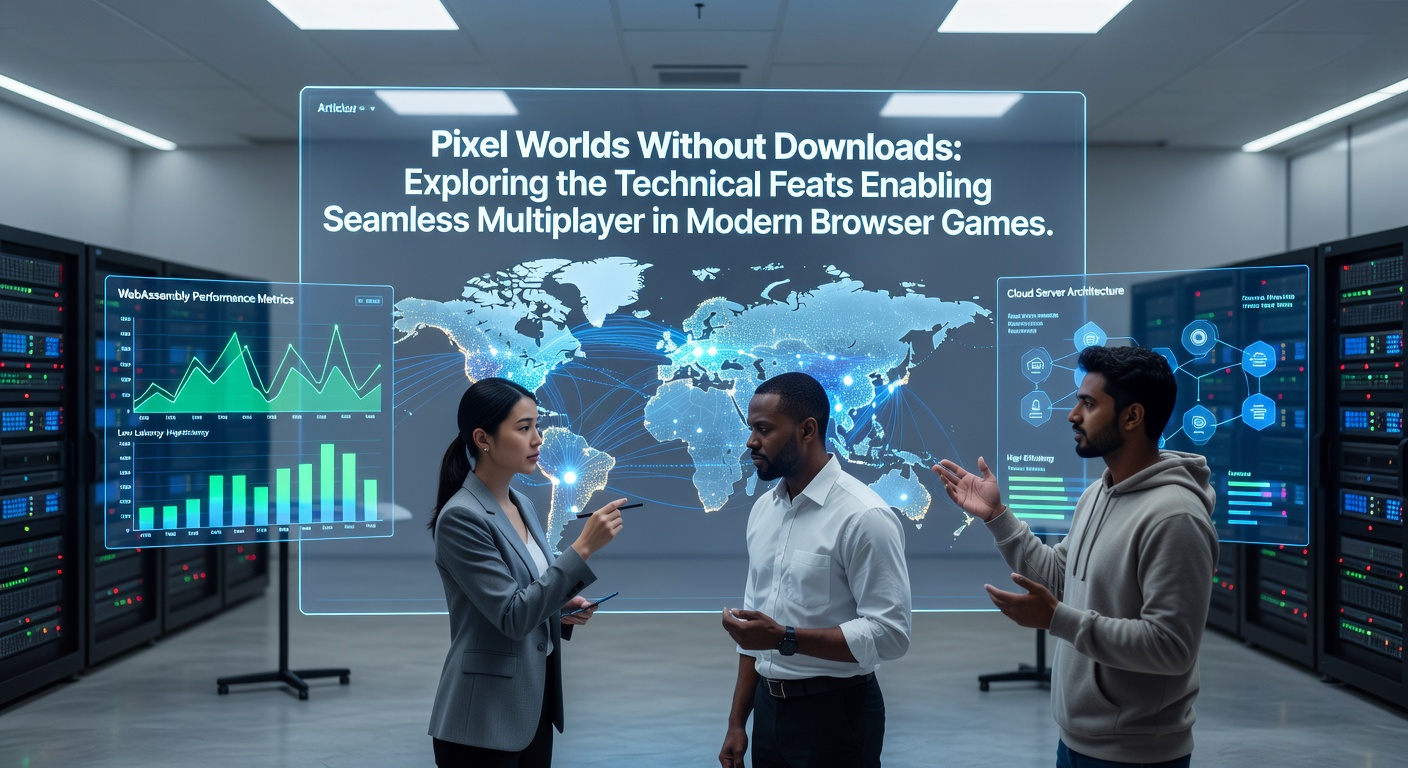
Pixel worlds that run entirely in browsers have transformed how players connect, and the technical foundation rests on standards that eliminated the need for installs or plugins years ago. Developers leverage HTML5 canvas elements combined with WebGL to render detailed 2D environments that update smoothly across different devices, while background processes handle asset streaming so users enter sessions almost instantly.
Core Protocols Driving Real-Time Connections
WebSocket connections form the backbone for these experiences because they maintain persistent channels that push player positions, actions, and world state changes without repeated HTTP requests. Data flows bidirectionally at low latency, which suits fast-paced pixel titles where dozens of users move simultaneously on shared maps. Researchers at institutions such as the University of Waterloo have documented how these protocols scale when paired with efficient binary serialization formats that compress movement data and inventory updates.
Yet synchronization challenges persist in larger sessions, and engineers counter them with client-side prediction algorithms that simulate movement locally before server confirmation arrives. This approach masks minor network hiccups, keeping animations fluid even when connections experience brief spikes. Observers note that such techniques became standard after widespread adoption of HTML5 features across major browsers by the mid-2010s, and refinements continue into 2026 with improved bandwidth estimation routines.
Asset Management and Performance Optimization
Modern implementations preload only essential sprites and tiles while fetching additional layers during gameplay, which keeps initial load times under a few seconds. Compression standards like WebP for images and Opus for audio further reduce payload sizes without visible quality loss. One notable case involved a European studio that integrated progressive loading to serve regional players with varying connection speeds, demonstrating how geography-specific optimizations support global accessibility.
Memory constraints on lower-end hardware receive attention through object pooling and garbage-collection tuning, practices that prevent frame drops during intense multiplayer events. Data from industry reports indicate that these methods allow sessions to support hundreds of concurrent users on a single server instance when combined with spatial partitioning techniques that divide maps into manageable chunks.
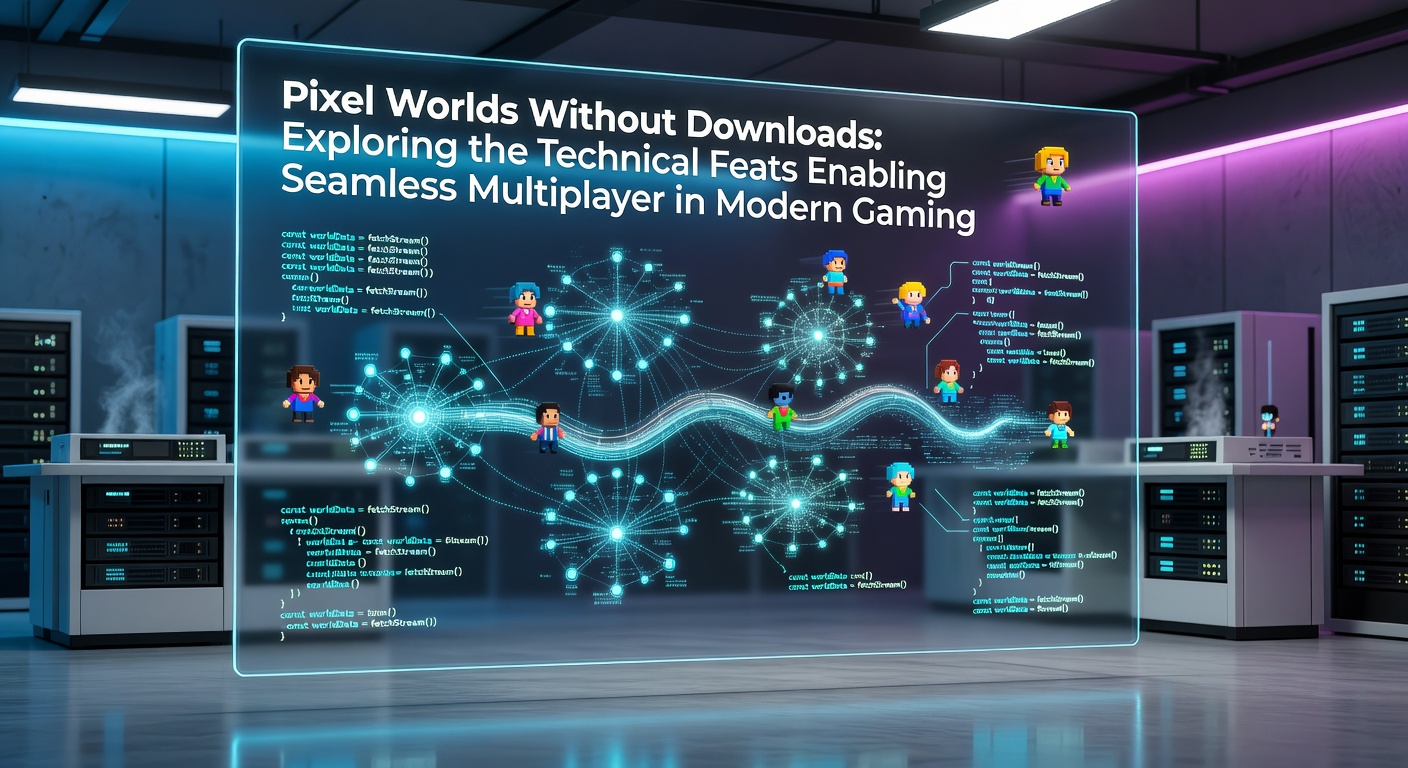
Security Measures and Cross-Platform Compatibility
Encryption via TLS secures all traffic between clients and servers, while token-based authentication prevents unauthorized joins. Browser sandboxing adds another layer that isolates game code from local system resources. Developers working with these constraints often rely on WebAssembly modules to run performance-critical logic such as pathfinding and collision detection at near-native speeds, and this combination proved especially effective when tested across Windows, macOS, and Linux distributions in recent benchmarks.
Compatibility testing now includes mobile browsers as well, where touch input mapping and variable screen sizes introduce additional variables. Figures from the Interactive Software Federation of Europe reveal steady growth in browser-based multiplayer participation through 2026, driven partly by improved support for gamepad APIs and high-refresh-rate displays.
Future Directions in Browser Multiplayer Infrastructure
Emerging standards around WebTransport promise even lower overhead for certain data streams, potentially replacing parts of current WebSocket setups in titles that demand sub-50-millisecond response windows. Integration with edge computing nodes further trims round-trip times by placing authoritative servers closer to player clusters. Those who have studied deployment logs from large-scale events report fewer desync incidents after such infrastructure upgrades rolled out in early 2026.
Continued evolution of these tools ensures pixel worlds remain accessible without downloads while supporting increasingly complex social and competitive features.
Conclusion
The seamless multiplayer found in today's browser pixel worlds stems directly from coordinated advances in rendering, networking, and runtime technologies that removed traditional barriers to entry. Continued refinement of these systems keeps experiences responsive and inclusive across diverse hardware and network conditions.