15 Jul 2026
The Growth of Tournament Ecosystems from Browser Game Communities
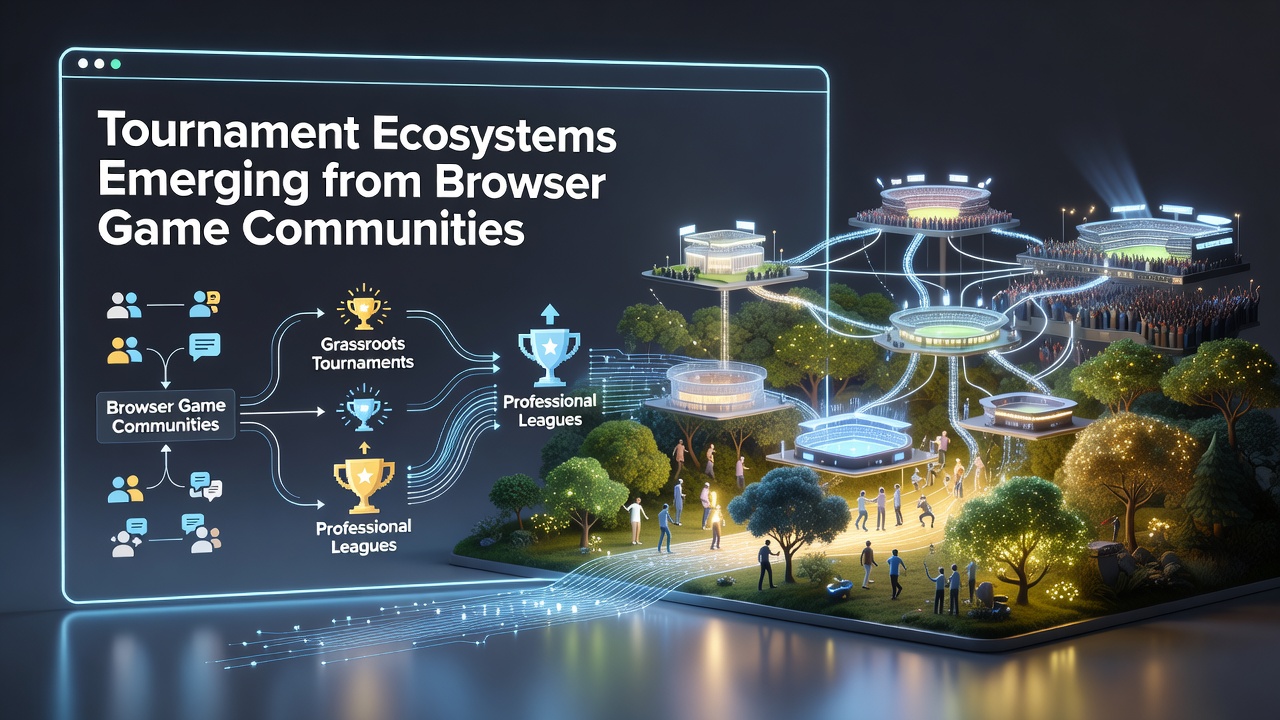
Browser game communities have developed structured tournament ecosystems over the past decade, and these systems rely on player-driven organization combined with platform tools that support competition at scale. Communities centered around titles such as Agar.io, Diep.io, and various idle or strategy games have moved from informal matches to coordinated events that include registration systems, prize pools, and spectator features. Data from industry reports indicate steady expansion in participation numbers, with many events drawing thousands of concurrent players during peak periods.
Community Foundations and Early Structures
Players in browser game communities often begin with casual scrimmages organized through Discord servers or Reddit threads, and these gatherings evolve into recurring schedules when moderators establish rules and verification methods. Researchers at institutions studying digital play have documented how shared spreadsheets and simple bots handle initial bracket management before dedicated software takes over. In July 2026 several long-running communities hosted their largest seasonal events yet, incorporating live streaming integrations that allowed broader audiences to follow matches without leaving the browser environment.
Observers note that browser-based tournaments benefit from low entry barriers since participants need only a stable connection and standard hardware. This accessibility has drawn participants from regions where dedicated gaming PCs remain less common, and figures from global gaming associations show higher representation from South America and Southeast Asia in browser tournament leaderboards compared with hardware-intensive esports titles.
Platform Tools and Organizational Layers
Third-party services now supply bracket generators, anti-cheat modules, and automated result reporting tailored to browser titles, and these tools connect directly to community forums so updates appear in real time. One study published by a Canadian research group tracked how adoption of these platforms reduced administrative time for organizers by roughly forty percent between 2023 and 2025. Meanwhile, game developers sometimes release official APIs that let community tools pull live data, which strengthens trust in recorded outcomes.
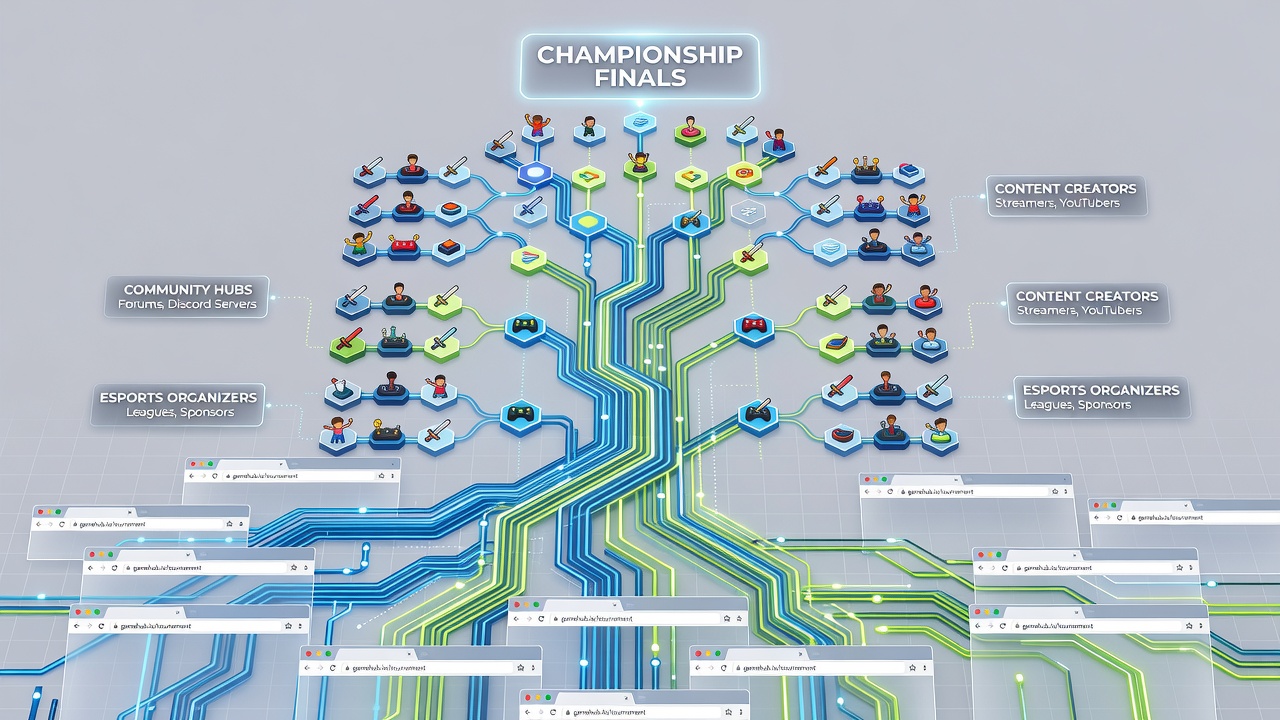
Regional hubs have formed around time-zone-friendly scheduling, and organizers coordinate across multiple servers to prevent overlap. European and Australian groups, for example, often stagger their events by twelve hours so top players can compete in both circuits without conflict. Industry data compiled by the Entertainment Software Association reveals that browser tournament viewership hours increased by twenty-eight percent year-over-year through mid-2026, driven largely by integrated streaming options that embed directly into the game client.
Monetization and Sustainability Models
Many ecosystems sustain themselves through voluntary donations, sponsorships from browser extension developers, and small entry fees that fund prize pools. Academic papers examining digital economies note that transparent ledger systems built on community blockchains have appeared in some larger circuits to track fund distribution. These mechanisms remain optional rather than universal, yet they demonstrate how groups experiment with accountability structures while staying within browser constraints.
Participation data indicates that repeat competitors often contribute to rule refinement and tool development, creating a feedback loop that keeps the ecosystem responsive. In several documented cases, players who began as participants later designed custom maps or scoring algorithms that became standard across multiple communities. This pattern of role transition supports long-term retention without requiring external staffing.
Challenges and Adaptation Patterns
Cheating remains a persistent concern, and communities respond with layered verification that combines behavioral analysis, hardware fingerprinting, and peer review. Reports from research networks focused on online play show that detection rates improved after communities shared anonymized datasets across servers, allowing patterns to surface more quickly. Organizers also adjust formats seasonally, shifting between free-for-all, team-based, and survival modes to maintain engagement.
Network stability presents another variable, particularly during large events when thousands log in simultaneously. Groups mitigate this by distributing load across mirrored servers and publishing fallback procedures for disconnections. Data collected during the July 2026 peak events indicated that downtime averaged under three minutes per session when these protocols were followed.
Conclusion
Browser game communities continue to refine tournament ecosystems through incremental tool adoption, cross-regional coordination, and transparent governance practices. Participation metrics and organizational case studies demonstrate measurable growth, and the infrastructure built around these events remains adaptable to new titles that emerge within the browser space. As more developers expose data interfaces, the systems developed by these communities stand ready to incorporate additional layers of competition and observation.