5 Jun 2026
The Unseen Networks: Social Bonds Formed Through Early Flash Multiplayer Sessions
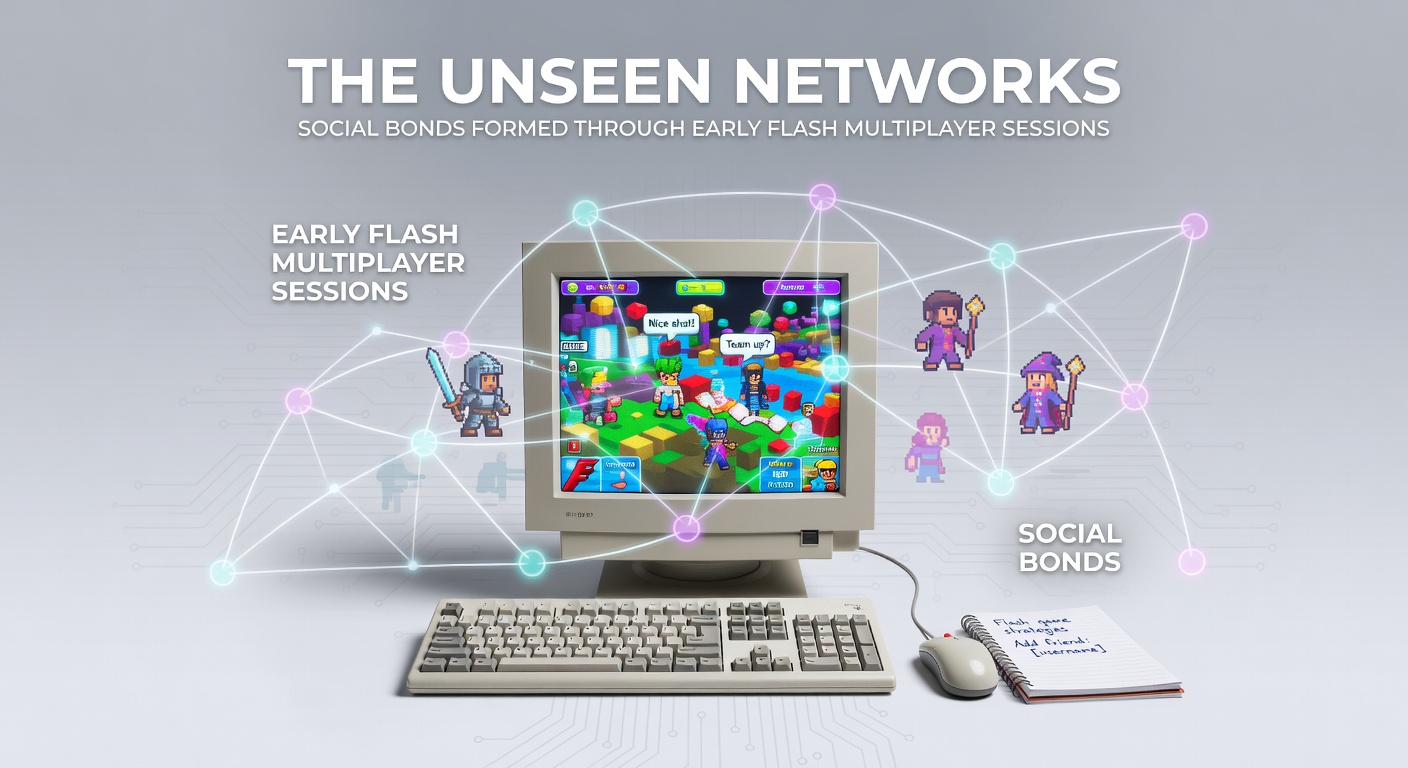
Early Flash multiplayer sessions created connections that extended far beyond individual game screens, and researchers have tracked how these interactions shaped lasting social ties among participants from the late 1990s through the early 2010s. Platforms relied on Adobe Flash technology to enable real-time collaboration in browser-based environments, which allowed users in different locations to join the same virtual spaces without dedicated software installations. Data from gaming history archives shows that millions engaged in titles featuring shared objectives, chat functions, and cooperative mechanics that encouraged repeated returns to the same servers.
Origins of Flash-Based Multiplayer Experiences
Adobe Flash emerged as a dominant tool for web animation and interactivity during the 2000s, while developers quickly adapted its capabilities for multiplayer features through server-side scripts and simple networking protocols. Games such as those hosted on sites like Club Penguin and early versions of Habbo Hotel drew users into persistent worlds where avatars could interact, trade items, and complete group tasks. Observers note that these environments operated on modest hardware yet fostered daily logins that built familiarity among strangers who later exchanged contact details outside the games themselves. Studies from academic institutions indicate that peak usage periods aligned with after-school hours in multiple time zones, which created overlapping player bases that sustained conversations across continents.
Mechanics That Encouraged Repeated Interaction
Flash multiplayer titles often incorporated elements like turn-based cooperation, shared resource management, and live text chat that required coordination among participants. These features turned solitary browser sessions into collective experiences where success depended on forming temporary alliances or maintaining consistent teams over weeks and months. One documented case involved players in puzzle-adventure hybrids who developed shorthand communication styles to complete levels faster, and those patterns carried over into external forums where groups organized events. Evidence suggests the low barrier to entry meant participants ranged widely in age and background, which broadened the pool of potential connections compared with console-based multiplayer that required specific hardware ownership.
Formation of Communities Around Shared Servers
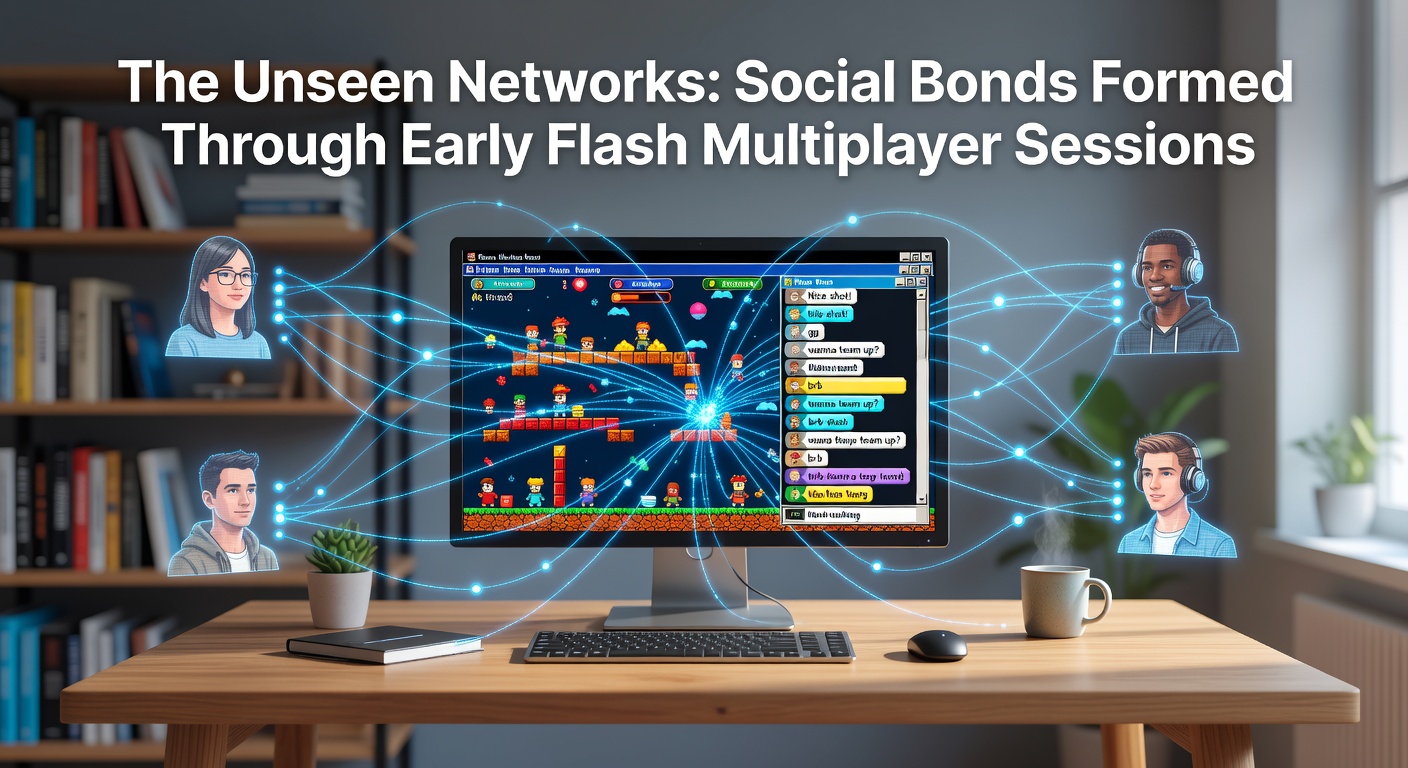
Persistent servers in Flash games functioned as meeting points where the same usernames appeared regularly, and this repetition allowed relationships to develop through inside jokes, mutual assistance during difficult challenges, and informal mentorship between experienced and newer players. Research indicates that many such groups migrated to messaging apps or email lists once they established trust, which extended the lifespan of bonds beyond the eventual shutdown of Flash support. In June 2026 preservation projects continue to host archived versions through emulation tools, and participants from earlier eras have reported reconnecting during nostalgia-driven events that recreate original server conditions. These reunions highlight how initial in-game interactions served as foundations for networks that persisted across technological shifts.
Geographic and Demographic Reach
Flash games reached users in regions with limited broadband infrastructure because the lightweight files loaded quickly even on dial-up connections, and this accessibility contributed to diverse player pools that included participants from North America, Europe, Asia, and Australia. Government reports on digital inclusion from agencies such as Canadian Heritage note increased youth engagement with online platforms during that period, while industry analyses from European gaming associations document similar trends in cross-border play. Those patterns meant social bonds often crossed cultural lines, as players exchanged language tips or cultural references while coordinating in-game strategies. Data shows that female participation rates in certain cooperative Flash titles exceeded averages seen in other gaming formats of the era, which expanded the variety of perspectives within emerging networks.
Transition to Modern Platforms and Lasting Effects
When browser support for Flash ended in 2020 many communities shifted to HTML5 alternatives or standalone applications, yet the relational frameworks established earlier carried forward. University-led examinations of digital social capital, including work referenced through sources such as the Australian Research Council, have identified correlations between early online multiplayer exposure and later comfort with remote collaboration tools used in education and work. Participants frequently cite the low-stakes environment of Flash sessions as training grounds for negotiating disagreements, sharing leadership roles, and maintaining group cohesion without face-to-face contact. Archival records reveal that some long-running friend circles trace their origins to specific Flash game servers that operated between 2005 and 2012, with annual check-ins continuing into the present decade.
Conclusion
Flash multiplayer sessions left behind networks that operated quietly beneath the surface of mainstream gaming narratives, and their influence appears in the structure of contemporary online communities that value quick onboarding and persistent identity markers. Preservation efforts active in June 2026 ensure new generations can sample these environments, which allows ongoing study of how browser-based interactions seeded broader social patterns. The documented trajectories show that technical simplicity combined with social features produced outcomes that extended well past the lifespan of the underlying platform.